
Facial lines consultation
Discuss facial lines and your concerns at our Parramatta or Chatswood clinic. Your practitioner will review your goals and medical history, assess your skin and facial movement, and explain suitable options, risks and limitations. A consultation does not mean you need treatment.
Book a ConsultationPersonalised advice. No obligation.
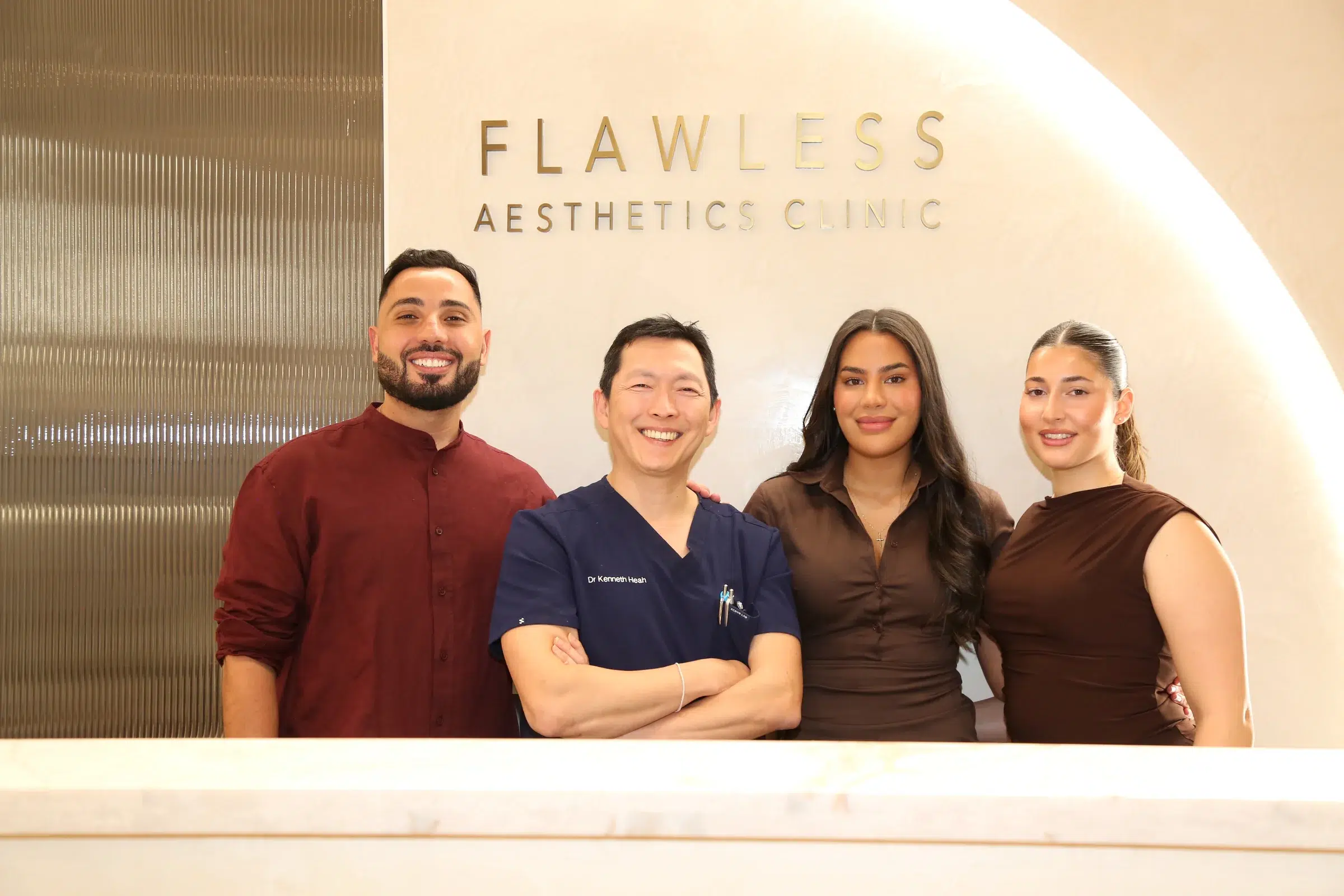

Discuss facial lines and your concerns at our Parramatta or Chatswood clinic. Your practitioner will review your goals and medical history, assess your skin and facial movement, and explain suitable options, risks and limitations. A consultation does not mean you need treatment.
Personalised advice. No obligation.
Your consultation
1. Discuss your concerns
Tell your practitioner which facial lines concern you and what you would like to understand. Discuss your goals and ask questions about the available options.
2. Review your suitability
Your practitioner reviews your medical history, previous procedures, skin and facial movement. This assessment helps determine whether any option is appropriate for you.
3. Prepare for your appointment
Bring details of your medicines, allergies and previous procedures, along with any questions. Ask the clinic whether you should arrive without makeup. Do not stop prescribed medicines without advice from your treating practitioner.
4. Understand the options
Ask about the potential benefits, risks, limitations, costs and alternatives, including no procedure. If a procedure is proposed, discuss recovery, aftercare and who to contact with concerns.
5. Take time to decide
A consultation does not commit you to a procedure. Take time to consider the information and ask further questions. Suitability and outcomes vary between individuals.
Consultation questions
Answer a few short questions to help us understand your concerns and expectations.
This is not a medical assessment or treatment recommendation. Your responses are reviewed by our team and used to guide your consultation.

Time's up
Causes
Facial lines are a normal part of ageing. Genetics, facial movement and sun exposure all influence how skin changes over time. Skin can also become thinner and drier.
Prevention
Facial lines are a normal part of ageing. Sun protection can help limit UV-related skin damage, but it cannot prevent all age-related changes.
Use shade, protective clothing, a hat, sunglasses and sunscreen as part of your routine. Gentle cleansing and moisturising can help care for your skin. Ask your practitioner about persistent irritation or concerns about your skincare products.
Lines with movement
Some lines are more noticeable when you smile, frown or squint. A consultation can look at your face both at rest and during movement, alongside the concerns you want to discuss.
Lines at rest
Some lines remain visible when your face is relaxed. Repeated expressions and age-related skin changes can contribute. A short online description cannot establish the cause of an individual line.
Skin and facial changes
Skin texture and facial fullness can change with age. A practitioner can assess your concerns, medical history and expectations, and explain the limitations and risks of any options discussed. A consultation does not commit you to a procedure.
Individual assessment
People differ in skin, facial movement, medical history and personal goals. A consultation should assess these individual factors rather than assume that everyone wants the same appearance.
Explain which features concern you and what you would like to preserve. Your practitioner can discuss suitability, limitations and risks. You can choose not to have a procedure.
Your consultation journey
- 01
Plan your consultation
Bring your questions and details of your medicines, allergies and previous procedures. Your practitioner will discuss your concerns and assess your skin and facial movement.
- 02
Discuss suitable options
Ask about the potential benefits, risks, limitations, costs and recovery for any option discussed. Your practitioner will explain what may be appropriate for you.
- 03
Decide your next steps
Take time to decide. You can choose not to proceed. If you have a procedure, your practitioner will explain aftercare and any recommended follow-up.

Begin with a
professional consultation
Book a consultation with our qualified team
Frequently Asked Questions
What happens during a wrinkle concerns consultation?
Your practitioner will review the areas where lines appear, assess your expression patterns, and discuss general non-surgical approaches that may be appropriate. The appointment focuses on education and clinical guidance only.
Can I discuss more than one area of concern?
Yes. You are welcome to raise any areas where you notice movement or lines forming. Your practitioner can assess multiple areas and explain how they relate to overall facial balance.
How long does the consultation take?
Appointment length depends on the assessment you need. Please confirm the time allocated to your consultation when booking.
Does a consultation commit me to a procedure?
No. You can ask questions, consider the information and decide not to proceed. Suitability must be assessed before any procedure is proposed.
What should I ask before deciding?
Ask about the proposed approach, evidence, risks, limitations, alternatives, total costs and recovery. Request clarification if anything is unclear.
Should I mention previous or planned procedures?
Yes. Tell your practitioner about previous procedures and any appointments planned elsewhere. Ask whether these affect suitability or timing.
Can a particular result be guaranteed?
No. Outcomes vary. Discuss what may be realistic for your concerns, what may not change, and the possibility of an unsatisfactory outcome.
How will my expectations be assessed?
Explain your goals and concerns. Your practitioner should discuss whether they are realistic and whether any proposed option is suitable for you.
Do I need to commit to ongoing appointments?
Ask why any follow-up is recommended and what it involves. Do not assume that further procedures are needed; any new decision requires a review of suitability, risks and costs.
What should I bring to the consultation?
Bring a list of medicines, supplements and allergies, details of previous procedures, and your questions. Tell the practitioner about relevant health conditions.
Should I change medicines or skincare beforehand?
Ask the clinic about preparation for your appointment. Do not stop prescribed medicines without advice from your treating practitioner. Preparation for a procedure may differ from preparation for a consultation.
What aftercare information should I ask for?
Before agreeing to a procedure, ask for written aftercare instructions, expected recovery, warning signs, and a contact for concerns outside clinic hours.
Are non-surgical wrinkle treatments safe?
How does the clinic maintain safety standards?
Your consultation includes a review of your medical history and suitability. Ask your practitioner about their qualifications, the risks of any proposed procedure, and the arrangements for aftercare. No procedure is risk-free.

Why do people trust us?
Qualified and experienced practitioners
Your consultation covers your concerns, medical history and the options that may be appropriate for you.
Comprehensive facial assessment
Your practitioner considers overall facial balance, including proportions, symmetry, and supporting structures. This approach ensures guidance is realistic and tailored to your features.
Confidential consultations
Your appointment is a private space to discuss concerns openly. There is no pressure to proceed. Our focus is on providing clear information and answering your questions.
Personalised treatment planning
Your practitioner will outline options that may suit your anatomy, goals, and medical history. If treatment is appropriate, you receive a clear plan outlining expectations, safety considerations, and next steps.
Safety-focused approach
Your practitioner will discuss relevant risks, precautions and aftercare before you decide whether to proceed. Clinical assessment helps identify risks but cannot eliminate them.
Professional clinical photography
Standardised photography may be used to support assessment accuracy and provide a clear reference for planning and review.
Disclaimer
This page provides general information, not individual medical advice. A consultation does not establish suitability for a procedure. Any procedure requires a clinical assessment and informed consent. All procedures involve risks; outcomes vary and are not guaranteed. Services are intended for adults aged 18 and over.
Before booking, read Ahpra’s independent guide to non-surgical cosmetic procedures.
Looking for something else?
Book a Consultation

Skin Services

ONDA Skin Tightening

Not Sure What You Need?


