Fine red lines around the nose and cheeks, or redness that comes and goes, are common reasons people ask about broken capillaries treatment in Sydney. The term “broken capillaries” is widely used, but these are usually small dilated blood vessels near the skin surface (telangiectasia) rather than broken ones. They can be linked to sun exposure, genetics, skin ageing, rosacea and other conditions.
This guide explains what a consultation looks at, when light-based options may be discussed, what the risks are and when medical review should come first. It is general information, not a personal treatment plan. Results vary between individuals and a consultation with a registered health practitioner is required to assess suitability.
What causes visible vessels and redness?
Facial redness is a symptom, not a diagnosis. Common contributors include:
- Cumulative sun exposure, which can weaken the support around small vessels over time. Sydney’s UV levels make this a frequent factor.
- Rosacea, a long-term inflammatory skin condition that can cause flushing, persistent central redness, visible vessels and sometimes bumps or eye irritation.
- Genetics and skin type, with fair skin more prone to visible vessels.
- Skin ageing, as the skin thins and vessels become easier to see.
- Triggers such as heat, hot drinks, alcohol, spicy food, vigorous exercise, wind and some skincare products.
Some redness is caused by conditions that need medical care, such as dermatitis, infection or autoimmune conditions. That is why the pattern of your redness matters more than the label.
When to see a GP or dermatologist first
A cosmetic consultation is not the right first step for every concern. See your GP or a dermatologist if you notice:
- a spot or vessel that bleeds, crusts, grows or changes
- sudden redness with swelling, pain, heat or fever
- gritty, sore or red eyes alongside facial flushing
- a rash that spreads, blisters or does not settle
- redness alongside joint pain, fatigue or other new symptoms.
If rosacea is suspected, medical management may be recommended before, or alongside, any cosmetic option. Our practitioners will advise when a referral is more appropriate than a procedure. The Australasian College of Dermatologists has further information about rosacea.
Broken capillaries treatment in Sydney: light-based options
For suitable superficial vessels and some types of diffuse redness, a practitioner may discuss light-based devices. These include intense pulsed light (IPL) and vascular lasers, which target the red pigment in blood so that small vessels are gradually reduced. You can read more on our vascular concerns consultation page.
Points to understand before deciding:
- A course is usually needed. Several sessions spaced a few weeks apart are common, and the number varies with vessel size, depth and skin type.
- It does not cure rosacea. Light-based treatment may reduce visible vessels and redness, but the tendency can return. Maintenance sessions and trigger management are often part of the plan.
- Not every vessel responds. Larger or deeper vessels, and vessels on some areas of the body, may need a different approach or referral.
- Skin tone and tanning matter. Recently tanned skin and some darker skin tones carry a higher risk of pigment change. Your practitioner may adjust settings, test a small area or advise against treatment.
Related approaches, such as skin rejuvenation and medical-grade facials, may be discussed for overall skin quality, but they are not a substitute for vessel-targeting treatment where that is suitable.
Risks and side effects to discuss
All procedures carry risks. For light-based vascular treatment these can include:
- temporary redness, swelling and warmth
- bruising or purple discolouration, which can last one to two weeks
- blistering, crusting or, rarely, burns
- darker or lighter patches of skin, which may be temporary or longer lasting
- scarring, which is uncommon
- eye injury if protective eyewear is not used correctly.
Tell your practitioner about medicines and supplements you take, any history of cold sores, keloid scarring, light sensitivity, recent sun exposure or fake tan, and any recent skin treatments. Ask what aftercare involves and who to contact if you have concerns afterwards.
Everyday habits that can help
Whatever you decide about treatment, daily habits influence how redness behaves:
- Use a broad-spectrum SPF30 or higher sunscreen every day, reapply when outdoors, and add a hat and shade. In Sydney, UV is often high enough to damage skin for much of the year.
- Keep a simple diary of flushing episodes to spot your personal triggers.
- Choose gentle, fragrance-free cleansers and moisturisers, and avoid harsh scrubs.
- Wash with lukewarm rather than hot water.
- Introduce new active skincare one product at a time.
Frequently asked questions
Are broken capillaries permanent?
Visible vessels usually do not fade on their own. Treatment may reduce their appearance, but new vessels can form over time, particularly with ongoing sun exposure or rosacea.
How many sessions will I need?
It depends on the vessels, your skin type and how your skin responds. Your practitioner can give an estimate after assessment, but it is not possible to predict an exact number in advance.
Is there downtime after broken capillaries treatment in Sydney?
Many people have redness and swelling for a day or two. Bruising is possible and can take longer to settle. Plan around events, and ask about your specific settings and area.
Can I have treatment in summer?
Sometimes, with careful sun protection. Tanned skin increases the risk of pigment change, so timing may be adjusted. Read our guide to planning skin treatments around the Sydney summer.
Can I just use makeup instead?
Yes. Colour-correcting makeup is a reasonable option, and treatment is a personal choice rather than a necessity.
Booking broken capillaries treatment in Sydney
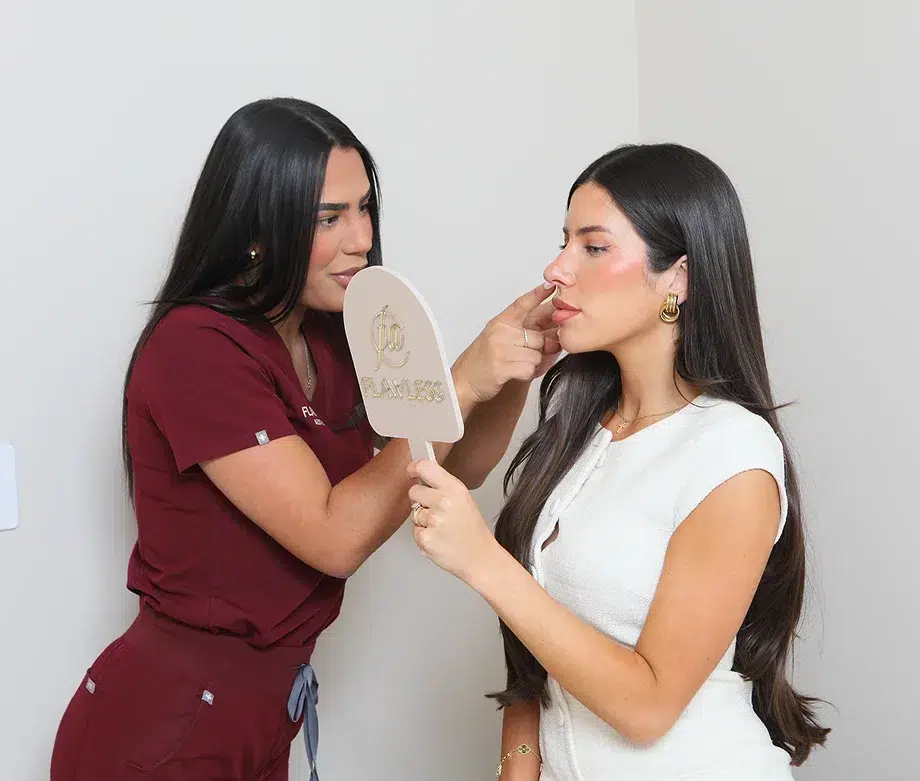
Consultations are available at our North Parramatta and Chatswood clinics. Your practitioner will review your skin, history and goals, explain whether a cosmetic option is suitable, and advise when medical review is more appropriate. There is no obligation to proceed.
Book a consultation or call (02) 8041 3293.
Results vary between individuals. All procedures carry risks. A consultation with a registered health practitioner is required to assess suitability. This article is general information and does not replace personalised medical advice.