Choosing a cosmetic clinic is one of the most important decisions you make before any cosmetic treatment. Who assesses you, how risks are explained and what happens if something does not go to plan all matter as much as the treatment itself.
This guide covers what to look for when choosing a cosmetic clinic in Sydney, the questions to ask, and the warning signs that suggest you should look elsewhere. It is general information only. A consultation with a registered health practitioner is required to assess whether any treatment is suitable for you. Whether you are considering a skin treatment, a facial procedure or simply a skin assessment, the same principles apply. Asking the right questions early saves time and helps you feel confident in your decision, whichever clinic you choose in the end.
Why the clinic matters
Cosmetic procedures are medical procedures. Outcomes and safety depend on accurate assessment, appropriate treatment choices, careful technique and good aftercare. When choosing a cosmetic clinic, you are choosing the people and systems responsible for all of these steps, not just a treatment menu.
A clinic that takes time to understand your concerns, explains options honestly and is willing to recommend against treatment when it is not suitable is usually a good sign.
Check practitioner registration
In Australia, doctors, nurses and many other health practitioners must be registered with the Australian Health Practitioner Regulation Agency (Ahpra). When choosing a cosmetic clinic, ask who will assess and treat you, then check their registration on the Ahpra public register. The register shows a practitioner’s profession, registration type and any conditions on their practice.
Ahpra’s cosmetic surgery hub also has information about cosmetic procedures, including non-surgical treatments, for consumers and practitioners.
Who will assess and treat you
Ask who performs each part of your care. In a doctor-led clinic, doctors are involved in assessment, treatment planning and the management of complications. Registered nurses and dermal therapists may perform some treatments within their scope of practice, with appropriate oversight.
When choosing a cosmetic clinic, it is reasonable to ask about the training and experience of the person treating you with the specific procedure or device, and who you would see if you had a concern afterwards. Our team page introduces our practitioners.
What a good consultation looks like
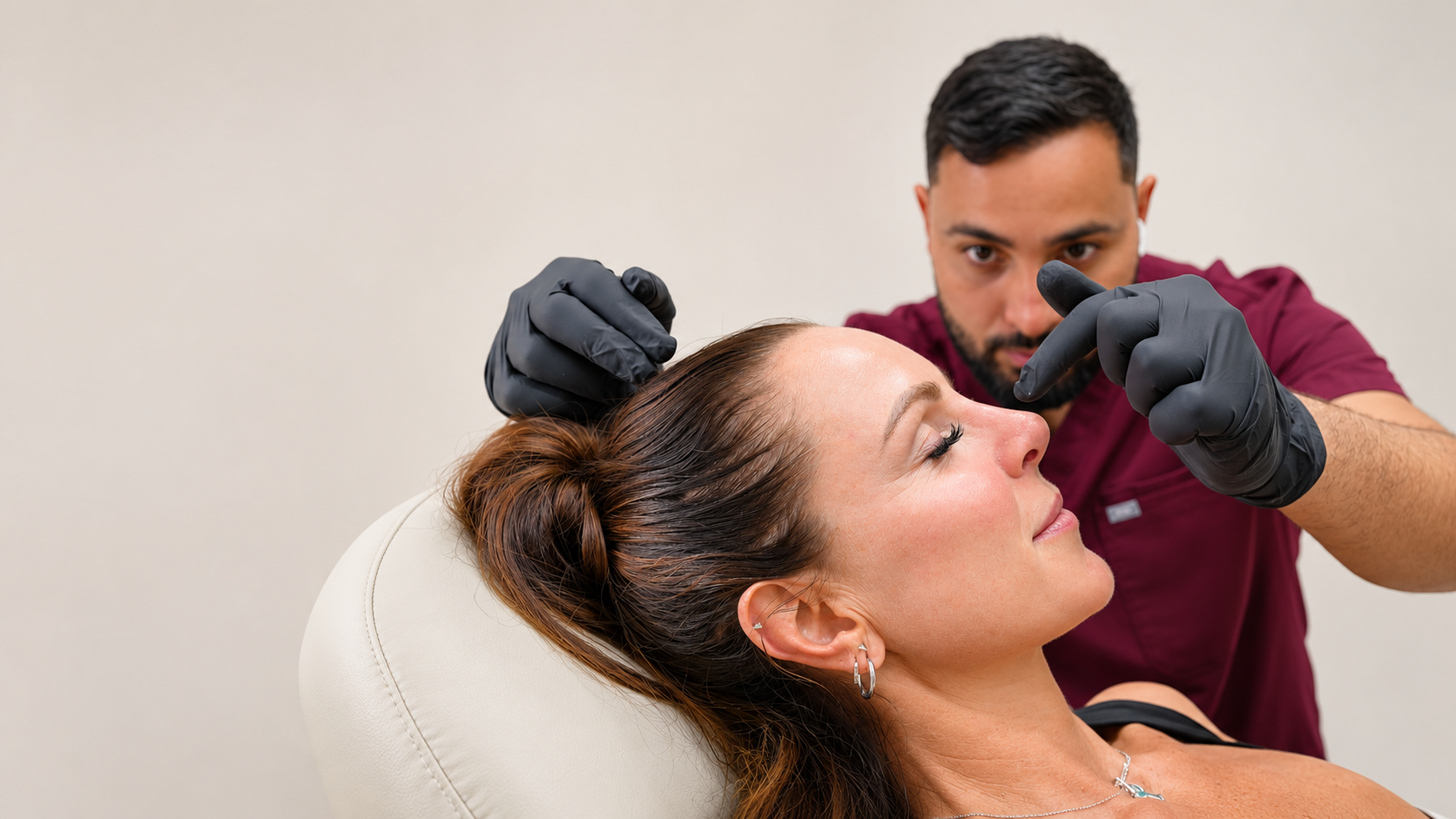
A thorough consultation is a key part of choosing a cosmetic clinic. You should expect:
- time to explain your concerns and goals
- a review of your medical history, medicines and previous treatments
- an assessment of your skin, face or body as relevant
- an explanation of suitable options, including non-treatment
- clear information about risks, recovery and costs
- written information to take home
- no pressure to book or pay on the day.
Our consultation page explains what to expect at our clinics.
Informed consent and risks
Before any procedure, you should understand what is proposed, the expected benefits and limitations, the risks and possible complications, alternatives including no treatment, and the likely costs. Informed consent is a conversation, not just a form.
When choosing a cosmetic clinic, notice whether risks are discussed openly and specifically, and whether your questions are answered clearly. Be cautious if risks are minimised or brushed aside.
Aftercare and complications
Every procedure carries risks, so it is important to know how a clinic handles problems. Ask:
- what aftercare instructions you will receive
- whether follow-up appointments are included
- who to contact if you have a concern, including after hours
- how complications are assessed and managed
- whether a doctor is available to review problems.
A clear answer to these questions is an important part of choosing a cosmetic clinic.
Hygiene and facilities
Clinical standards should be visible. Treatment rooms should be clean and appropriately equipped, single-use items should be used where required, and practitioners should follow infection-control practices. It is reasonable to ask how equipment is cleaned and maintained.
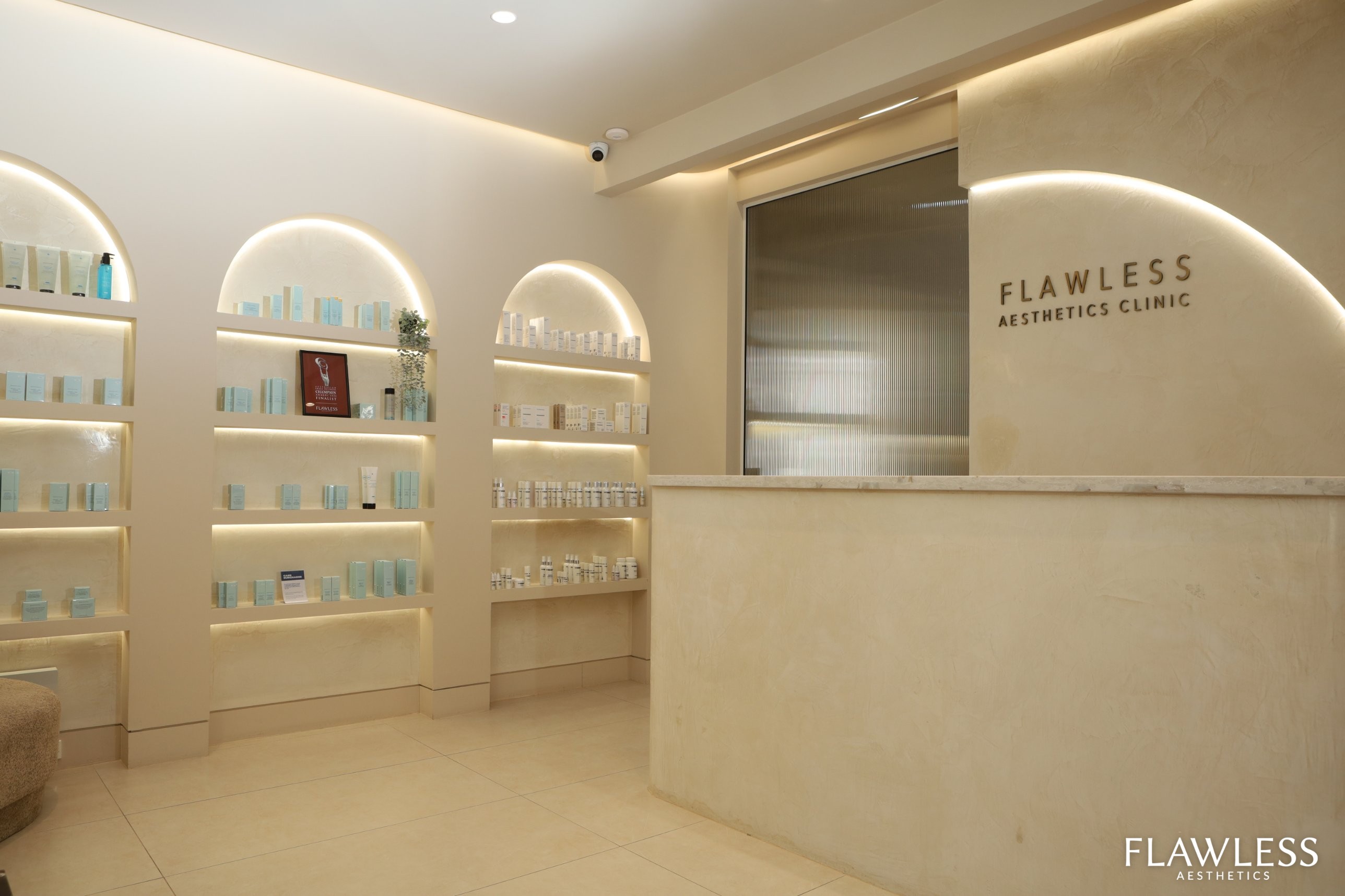
Location and access also matter, particularly if you may need follow-up visits. We have clinics in North Parramatta and Chatswood.

Pricing and transparency
Price is understandably part of choosing a cosmetic clinic, but the lowest price is not always the best guide. Ask what is included, such as the consultation, follow-up and any review appointments, and what the expected total cost might be for a course of treatment. Ask whether prices differ between practitioners or locations, and whether review appointments carry a separate fee, so you can compare clinics fairly and plan your budget with confidence.
Information about how we approach advertising and pricing is on our advertising and pricing page.
Warning signs to watch for
When choosing a cosmetic clinic, consider looking elsewhere if you notice:
- pressure to book or pay on the day, or time-limited deals designed to rush a decision
- guaranteed results or claims that a procedure is risk-free
- no clear explanation of who will treat you or their qualifications
- no proper assessment or medical history before treatment
- reluctance to discuss risks, complications or aftercare
- treatments offered in settings that do not seem clinical.
Reviews and before-and-after images
Online reviews can tell you about the overall experience, such as communication and cleanliness, but they cannot tell you whether a treatment is suitable for you. Results vary between individuals, so other people’s experiences are not a reliable guide to your own outcome.
When choosing a cosmetic clinic, focus on the quality of the consultation, the practitioners’ qualifications and how risks and aftercare are handled, rather than on marketing alone.
What doctor-led care means
A doctor-led clinic is one in which doctors are actively involved in patient care, not just named on a website. That typically includes assessing patients, deciding whether treatment is appropriate, planning treatment, supervising other practitioners and managing complications.
When choosing a cosmetic clinic, ask how doctors are involved in your care, whether you will see a doctor before treatment where required, and who reviews any concerns afterwards. Our clinics are doctor-led, with doctors involved in assessment and complication management.
Matching the clinic to your concern
Different concerns may call for different expertise. Skin concerns such as pigmentation, acne or texture may involve skin assessments, skincare and treatments such as peels, lasers or microneedling. Facial ageing concerns may involve a broader assessment of skin quality, volume and facial structure.
When choosing a cosmetic clinic, check that it regularly assesses and treats your type of concern, and that it offers a range of options rather than one approach for every problem. Our skin services page outlines the concerns we assess.
Continuity of care
Many cosmetic treatments involve several sessions, reviews or maintenance over months or years. Seeing the same practitioner, or a team that shares clear records, helps your care stay consistent. Ask whether you will usually see the same person, how your treatment records are kept and how changes in your health are reviewed at each visit.
Continuity is easy to overlook when choosing a cosmetic clinic, but it often makes a real difference to your experience.
Privacy and medical records
Cosmetic clinics handle personal health information, including medical history and clinical photographs. It is reasonable to ask how your information is stored, who can access it and how clinical photographs are used. You should be asked for consent before photographs are taken or used for any purpose beyond your care.
Communication and support
Good communication matters before, during and after treatment. Notice whether the clinic responds clearly to enquiries, provides written information, explains costs upfront and makes it easy to ask follow-up questions. If English is not your first language, or you need other support, ask what assistance is available.
Feeling comfortable asking questions is an important part of choosing a cosmetic clinic you can trust.
Getting a second opinion
If you are unsure about a recommendation, it is reasonable to seek a second opinion, particularly for more involved procedures. A responsible clinic will not discourage this. Comparing two consultations can help you understand the options and choose with confidence.
Bring any written information, quotes and questions from your first consultation, so you can compare like with like.
Questions about your medical history
Be ready to share your medical history openly, including medicines, supplements, allergies, previous procedures, skin conditions and any history of poor healing or scarring. This information helps practitioners decide whether a treatment is suitable and how to reduce risks.
A clinic that asks detailed questions about your health is taking your safety seriously, which is a positive sign when choosing a cosmetic clinic.
Cosmetic treatments and mental wellbeing
A good clinic will also consider your wellbeing. Practitioners may ask about your expectations and how a concern affects you, and may suggest waiting or seeking other support if a procedure is unlikely to meet your goals. This is part of responsible care, not a barrier to treatment.
Consultation fees and deposits
Clinics handle consultation fees and deposits differently. Ask whether there is a consultation fee, whether it is credited towards treatment, and what the cancellation policy is. Be cautious of deposits taken before you have had a proper assessment and time to consider the information you have been given.
Understanding these policies upfront makes choosing a cosmetic clinic simpler and avoids surprises.
Location and convenience
Many treatments involve follow-up, reviews or a series of sessions, so a clinic that is reasonably easy to reach can make a difference. Consider travel time, parking and appointment availability, particularly if you may need to return at short notice for a review.
What happens at a review appointment
Review appointments let your practitioner check how you have healed, assess the response to treatment and answer questions. They are also an opportunity to raise any concerns. When choosing a cosmetic clinic, ask whether reviews are routinely offered for your treatment, and whether there is a cost.
Questions about devices and products
For device-based treatments, such as lasers, IPL or microneedling, you can ask which device will be used and why it suits your skin. For products, ask what will be applied and whether it is suitable for your skin type and medical history. A clinic should be comfortable explaining these choices in plain language.
Understanding your treatment plan
A clear treatment plan sets out what is proposed, the number and timing of sessions, expected recovery, aftercare, review points and costs. Ask for the plan in writing so you can review it at home. A written plan is a useful marker when choosing a cosmetic clinic, because it shows the clinic has thought through your care beyond a single appointment.
A checklist for choosing a cosmetic clinic
Before you book, check that you can answer yes to most of these:
- I know who will assess and treat me, and I have checked their registration.
- I had a proper consultation and my medical history was reviewed.
- I understand the risks, recovery and alternatives, including no treatment.
- I know what aftercare and follow-up are included, and who to contact with concerns.
- I have a written plan and a clear idea of the total cost.
- I did not feel pressured, and I have had time to think.
Working through a checklist like this makes choosing a cosmetic clinic more straightforward, and it is a useful way to compare clinics side by side.
Questions to ask when choosing a cosmetic clinic
These questions can help you compare clinics:
- Who will assess me, and who will perform the treatment?
- What are their qualifications and registration?
- What training and experience do they have with this procedure?
- Is this treatment suitable for me, and what are the alternatives?
- What are the risks and possible complications?
- What recovery should I expect?
- What aftercare and follow-up are included?
- Who do I contact if I have a concern?
- What is the expected total cost?
- Can I take time to think before deciding?
Taking time to decide
A cosmetic procedure is a personal decision. Taking time between your consultation and treatment allows you to review written information, consider the risks and costs, and ask follow-up questions. A good clinic will support you taking that time.
Some people find it helpful to bring a trusted person to the consultation. You may also wish to speak with your GP, particularly if you have medical conditions or take regular medicines.
Frequently asked questions
What is most important when choosing a cosmetic clinic?
The qualifications of the people assessing and treating you, the quality of the consultation, and how risks, aftercare and complications are managed.
How do I check a practitioner’s registration?
Search their name on the Ahpra public register, which lists registered health practitioners in Australia.
Should I choose the cheapest option?
Price matters, but consider what is included and the quality of care. A lower price that leaves out assessment or follow-up may not be good value.
Is it normal to be told a treatment is not suitable?
Yes. A responsible clinic will recommend against treatment when it is not appropriate.
Can I visit a clinic before booking a consultation?
Many clinics are happy for you to call or visit to ask general questions. This can help when choosing a cosmetic clinic that feels right for you.
Should I see a doctor before treatment?
For many cosmetic procedures, an assessment by a doctor or appropriately qualified practitioner is required. Ask the clinic how assessment works for the treatment you are considering.
Booking a consultation
If you are choosing a cosmetic clinic in Sydney, consultations are available at our North Parramatta clinic and our Chatswood clinic. Your practitioner will listen to your concerns, assess suitability, explain options and risks, and give you time to decide. There is no obligation to proceed. Bring a list of your questions, any medicines you take and details of previous treatments, so your consultation can focus on what matters to you. You are welcome to bring a support person, and to take written information home before making any decision.
Book a consultation or call (02) 8041 3293.
Results vary between individuals. All procedures carry risks. A consultation with a registered health practitioner is required to assess suitability. This article is general information and does not replace individual medical advice.