Intense pulsed light is one of the most frequently asked-about options for sun spots and uneven skin tone. Before booking IPL for pigmentation, it helps to understand that IPL suits some types of pigmentation and some skin types far better than others, and that in the wrong situation it can make pigmentation darker.
This guide explains how IPL for pigmentation works, who it may and may not suit, the risks involved and the questions worth asking at your consultation. It is general information only. Results vary between individuals, and a consultation with a registered health practitioner is required to assess whether IPL is appropriate for you.
How IPL works
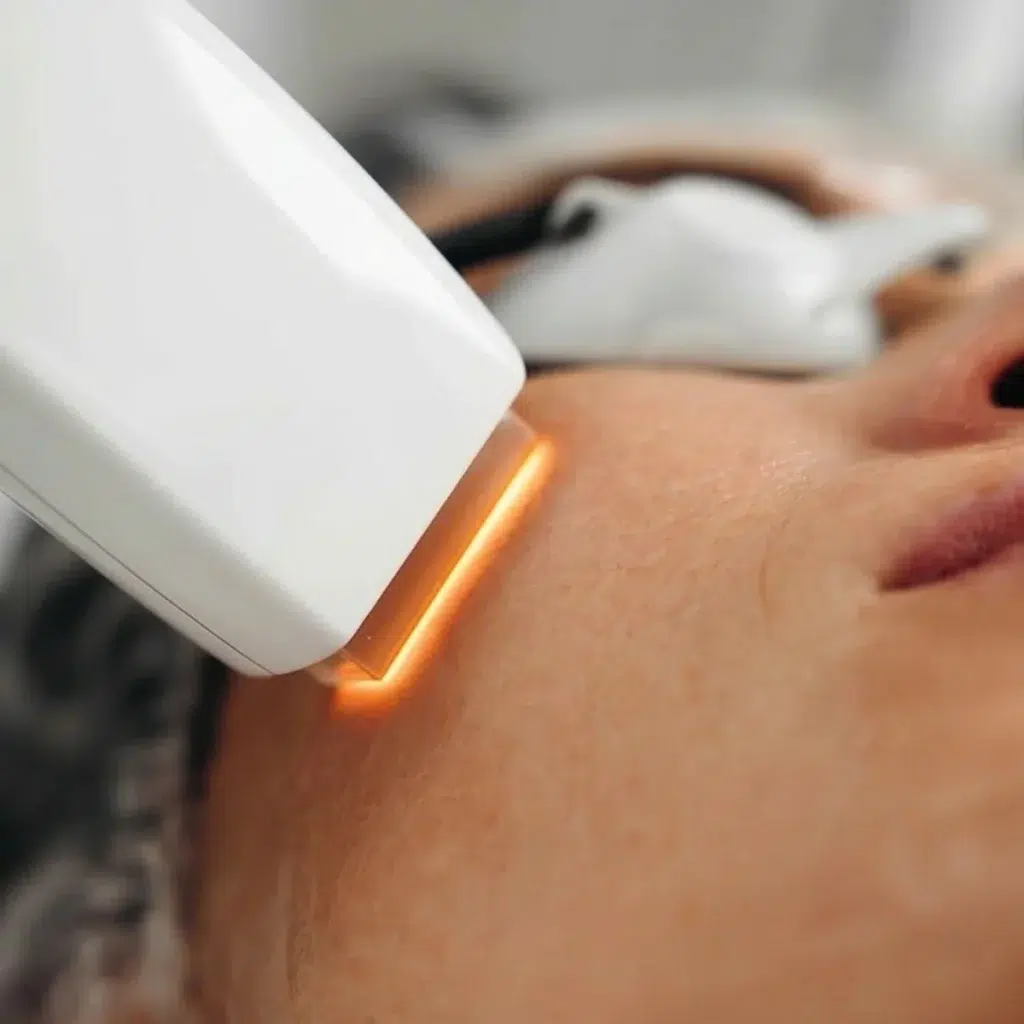
IPL devices emit flashes of broad-spectrum light that pass through filters to target particular structures in the skin. When IPL for pigmentation is used, the light is absorbed by melanin in pigmented spots. The energy heats the pigment, and over the following one to two weeks the treated spots usually darken, then flake or fade as the skin renews.
Unlike a laser, which uses a single wavelength, IPL delivers a range of wavelengths. That makes it versatile, but it also means settings must be chosen carefully for the skin type and the target. The same device may also be used for redness or broken capillaries with different filters and settings, which is why a clear diagnosis matters before IPL for pigmentation is considered.
DermNet’s overview of intense pulsed light therapy explains how the technology works and its potential side effects in more detail.
Which pigmentation IPL may suit
IPL for pigmentation is most often discussed for:
- sun spots (solar lentigines) on the face, chest, hands and arms
- freckles, particularly in people with lighter skin
- general sun damage with scattered brown spots and uneven tone.
These types of pigmentation sit relatively superficially and contrast with the surrounding skin, which helps the light target them. Even so, responses vary, more than one session is usually needed, and new spots can develop with ongoing sun exposure.

When IPL may not be suitable
IPL for pigmentation is not the right choice for everyone. Your practitioner may recommend a different approach if:
- you have melasma. Heat and light can aggravate melasma, and it may darken or rebound after IPL
- you have medium to darker skin. There is more melanin in the surrounding skin, which raises the risk of burns and of darker or lighter patches
- your skin is tanned or has had recent sun exposure, including fake tan
- the pigmentation is post-inflammatory, such as marks after acne, where heat may prolong it
- you are pregnant, taking medicines that increase light sensitivity, or have a condition triggered by light
- a spot has not been assessed and could need a medical check.
When IPL for pigmentation is not recommended, it is usually because another option carries less risk for your skin, not because nothing can be done.
Why diagnosis comes first
Brown marks can look similar but behave very differently. Sun spots, freckles, melasma and post-inflammatory hyperpigmentation each respond differently, and some spots need a doctor’s assessment before any cosmetic treatment. A new spot, or one that is changing in size, shape or colour, bleeding or itching, should be checked by a doctor first.
An assessment before IPL for pigmentation usually covers which type of pigmentation is present, your skin type and how it reacts to sun and heat, recent sun exposure, medicines and medical history, and your expectations. Our pigmentation and uneven skin tone page outlines what is reviewed, and a skin analysis appointment can be a useful first step.
What a session involves
If IPL for pigmentation is considered suitable, a typical session involves:
- cleansing the skin and removing make-up
- protective eyewear for you and the practitioner
- a cool gel applied to the treatment area
- a series of light pulses, which many people describe as a warm flick or snap
- cooling and sun protection afterwards.
A test patch may be performed first to check how your skin responds. Sessions are usually spaced several weeks apart, and the number needed depends on the pigmentation and how your skin responds. Our IPL pigmentation treatments page explains the process at our clinics.
Risks and side effects
All procedures carry risks. Possible side effects of IPL for pigmentation include:
- redness, swelling and a warm or sunburn-like sensation for a few hours to days
- darkening and crusting of treated spots before they fade
- blistering or burns
- darker patches (post-inflammatory hyperpigmentation)
- lighter patches (hypopigmentation), which may be long-lasting
- rarely, scarring
- worsening of melasma.
The risk of complications is higher in darker or tanned skin and when aftercare is not followed. Ask your practitioner how they would reduce these risks for your skin and what to do if a reaction occurs. You can check a practitioner’s registration on the Ahpra public register.
Aftercare after IPL
Aftercare has a large influence on how your skin responds to IPL for pigmentation. Common instructions include:
- strict sun protection with a broad-spectrum SPF 50+ sunscreen, a hat and shade
- avoiding heat, such as saunas, hot showers and intense exercise, for a day or two
- not picking or scrubbing darkened spots as they flake
- using a gentle cleanser and moisturiser, and pausing active ingredients until the skin settles
- contacting the clinic if you notice blistering, increasing pain or signs of infection.
The Cancer Council SunSmart program has practical guidance on daily sun protection, which remains important long after treatment.
Alternatives to IPL
If IPL for pigmentation is not suitable, or if you would prefer a different approach, options your practitioner may discuss include:
- daily sun protection and targeted skincare as the foundation
- superficial or medium-depth medical-grade peels
- depigmentation programs such as Cosmelan, often discussed for melasma
- gentle fractional laser, such as Clear + Brilliant, chosen with settings to suit the skin type.
Our guide to pigmentation treatment in Sydney compares seven approaches side by side.
Planning IPL around the seasons
Because tanned skin and sun exposure increase the risk of side effects, IPL for pigmentation is often scheduled for cooler months, when it is easier to avoid the sun before and after sessions. If you are planning treatment over a Sydney summer, your practitioner may suggest focusing on sun protection and skincare first, and starting light-based treatment later.
Tell your practitioner about holidays, outdoor sport or events so sessions can be timed around them.
IPL compared with laser for pigmentation
IPL and lasers both use light, but they work differently. A laser delivers one precise wavelength, which can be chosen for a specific target and depth. IPL delivers a broad range of wavelengths through filters, which lets one device address several concerns but makes it less selective.
In practice, IPL for pigmentation is often used to treat scattered sun spots and general sun damage across a broad area, such as the face or chest. Lasers may be preferred for individual spots, for certain skin types or when a more targeted approach is needed. Gentle fractional lasers can also be used to improve overall tone with a different mechanism. Neither is automatically better. The right choice depends on the type of pigmentation, your skin type, downtime and the risks for your skin.
Our laser services page outlines the devices used at our clinics.
Skin type and IPL
Practitioners often describe skin type using the Fitzpatrick scale, which ranges from type I (very fair skin that always burns) to type VI (deeply pigmented skin that rarely burns). The scale helps estimate how skin is likely to react to light and heat.
IPL for pigmentation is generally better suited to lighter skin types, where there is clear contrast between the pigmented spot and the surrounding skin. In medium to darker skin types, more of the light is absorbed by the surrounding skin, which increases the risk of burns, blistering and long-lasting changes in skin colour. That does not mean pigmentation cannot be addressed in darker skin, but other approaches with a lower risk of pigment change are often preferred.
Your practitioner will assess your skin type in person rather than relying on photographs or self-assessment.
Preparing for IPL
If IPL for pigmentation is planned, your practitioner will give specific preparation instructions, which commonly include:
- avoiding sun exposure, sunbeds and fake tan for several weeks beforehand
- pausing some active skincare ingredients, such as retinoids and exfoliating acids, for a few days before treatment
- telling your practitioner about any new medicines, supplements or antibiotics, as some increase light sensitivity
- letting the clinic know about a history of cold sores, as treatment near the mouth can trigger them
- arriving with clean skin, free of make-up and fragrance in the area.
Following these steps lowers the risk of side effects and helps the session go as planned.
What to expect over time
Changes after IPL for pigmentation happen gradually. In the first few days, treated spots usually darken and may look like coffee grounds on the skin. Over one to two weeks they flake or fade. Further sessions may be needed for remaining spots, and the overall effect is usually assessed a few weeks after the final session.
Results vary between individuals. Some spots fade considerably, others only partly, and new pigmentation can form with ongoing sun exposure. Most people continue with daily sun protection and skincare to maintain their skin, and some return for occasional maintenance sessions.
Combining IPL with skincare
Skincare is often used alongside IPL for pigmentation. Before treatment, gentle products help prepare the skin. Between and after sessions, a routine built around sun protection and ingredients such as vitamin C and niacinamide may help maintain a more even tone. Some people are suitable for prescription topical treatments, which a doctor can discuss after an assessment.
Introduce new products slowly and follow your practitioner’s advice about timing, because irritated skin is more prone to pigment changes after light-based treatment.
Common misconceptions about IPL
A few misconceptions come up often when people ask about IPL for pigmentation:
- “IPL removes pigmentation permanently.” Treated spots may fade considerably, but new pigmentation can form with sun exposure, and melasma tends to recur. Ongoing sun protection is part of any plan.
- “IPL suits everyone.” It is better suited to some skin types and some types of pigmentation than others, and it is often not a first choice for melasma or darker skin.
- “One session is enough.” Most people need a series of sessions, and the number varies.
- “Darkening after treatment means it went wrong.” Treated spots usually darken temporarily before they flake or fade. Blistering, increasing pain or patches that stay lighter or darker are different, and should be reported to the clinic.
- “IPL and laser are the same.” They use light differently, and the choice between them depends on your skin and goals.
Who performs IPL and what to check
IPL devices are powerful, and outcomes depend on the training and judgement of the person using them. Before booking IPL for pigmentation, it is reasonable to ask who will perform the treatment, what training they have with the specific device, and who oversees treatment plans. At our clinics, treatment plans are developed after an assessment, and a doctor is available to review any concerns.
Ask how the clinic handles reactions or complications, and how to contact them after hours if needed. A clinic that explains risks clearly and is willing to recommend against treatment when it is not suitable is usually a good sign.
Comfort during treatment
Comfort varies between people and treatment areas. Bonier areas and areas with denser pigmentation can feel more intense. Practitioners often use cooling gel, chilled tips or air cooling during IPL for pigmentation, and can pause between pulses. Let your practitioner know how you are feeling throughout the session, so settings or pacing can be adjusted if needed.
Questions to ask about IPL for pigmentation
Bringing questions to your consultation makes it easier to decide:
- Which type of pigmentation do I have, and is IPL for pigmentation suitable for it?
- Is my skin type suitable for IPL, and would you perform a test patch?
- Do any of my spots need a medical check first?
- How many sessions are usually needed, and how far apart?
- What will my skin look like in the days after each session?
- What are the risks for my skin, and how would a reaction be managed?
- What happens if IPL is not suitable for me?
- Who performs the treatment, and what training do they have?
- What is the expected total cost, including any maintenance?
Frequently asked questions
Does IPL for pigmentation hurt?
Most people describe a warm flick or snap with each pulse. Cooling is used to improve comfort, and sensations vary between individuals and treatment areas.
Is IPL for pigmentation suitable for melasma?
It is generally not a first choice for melasma, because heat and light can aggravate it. Other approaches are usually considered first.
How many sessions of IPL for pigmentation are needed?
Many people need a series of sessions several weeks apart. Your practitioner will give an estimate after assessing your skin, but responses vary.
Will the pigmentation come back?
New sun spots can form with ongoing sun exposure. Daily sun protection and occasional maintenance help, but no treatment prevents new pigmentation entirely.
Can I have IPL if I have a tan?
Usually not. Tanned skin, including fake tan, increases the risk of burns and pigment changes. Your practitioner will advise how long to wait.
How long should I wait between IPL sessions?
Sessions are usually spaced several weeks apart to allow the skin to recover and the treated pigment to clear. Your practitioner will advise the interval for your skin.
Can IPL be used on the hands and chest?
IPL for pigmentation is often used on sun-exposed areas such as the hands, chest and arms, as well as the face. Settings are adjusted for each area.
Booking IPL for pigmentation
Consultations for IPL for pigmentation are available at our North Parramatta clinic and our Chatswood clinic. Your practitioner will assess your skin, confirm whether IPL is suitable, explain the risks and discuss alternatives before any decision is made. There is no obligation to proceed.
Book a consultation or call (02) 8041 3293.
Results vary between individuals. All procedures carry risks. A consultation with a registered health practitioner is required to assess suitability. This article is general information and does not replace individual medical advice.