Uneven skin tone, sun spots and patches of darker skin are some of the most common reasons people look into pigmentation treatment in Sydney. Pigmentation is not one condition. Sun spots, melasma and the marks left behind after acne or inflammation each behave differently, respond to different approaches and carry different risks. A treatment that helps one type can make another worse.
This guide compares seven approaches to pigmentation treatment in Sydney, from daily sun protection and skincare through to peels, IPL, laser and microneedling, so you can have an informed conversation at your consultation. It is general information only. Results vary between individuals, pigmentation often returns without ongoing sun protection, and a consultation with a registered health practitioner is required to assess suitability.
What causes pigmentation
Skin colour comes from melanin, a pigment made by cells called melanocytes. When these cells produce more melanin in one area, or deposit it unevenly, darker patches appear. The main triggers are ultraviolet (UV) exposure, hormones, inflammation and genetics.
The types of pigmentation most often discussed at a consultation include:
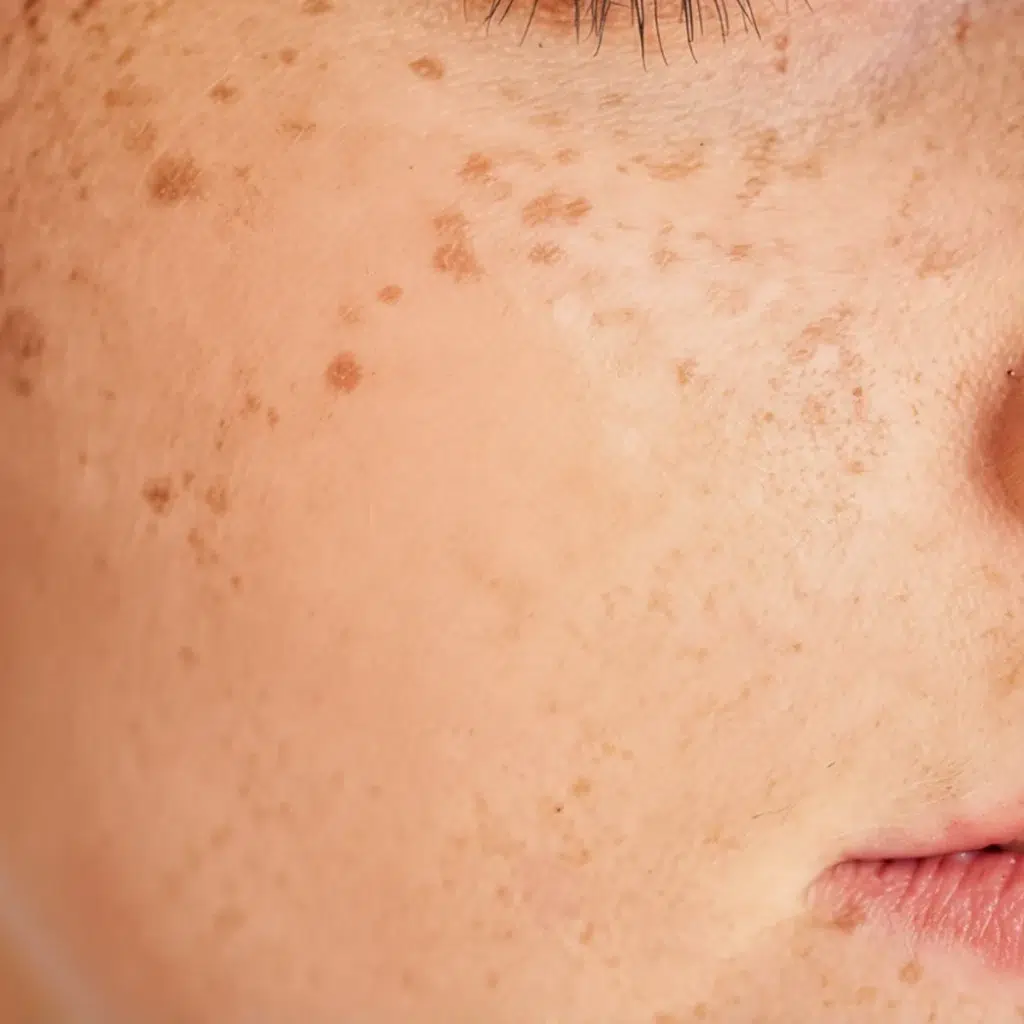
- Sun spots (solar lentigines). Flat brown spots on the face, hands, chest and shoulders that reflect years of cumulative sun exposure. They are very common in Australia.
- Freckles. Small, genetically determined spots that darken in summer and fade in winter.
- Melasma. Larger, symmetrical patches, usually on the cheeks, forehead and upper lip. Hormones, UV and visible light, and heat all play a role. It is more common in women and in medium to darker skin tones, and it tends to recur.
- Post-inflammatory hyperpigmentation. Darker marks left after acne, eczema, injury or an irritating treatment. It is more common and longer-lasting in darker skin tones.
Many people have more than one type at the same time. That matters, because melasma in particular can be aggravated by heat-based treatments that may suit sun spots. Our pigmentation and uneven skin tone page outlines the concerns we assess. Identifying the type is the foundation of any plan for pigmentation treatment in Sydney.

Start with a skin assessment
Before any cosmetic treatment, it is important to confirm that a dark spot is harmless pigmentation and not something that needs medical attention. Australia has one of the highest rates of skin cancer in the world. A new spot, or one that is changing in size, shape or colour, bleeding or itching, should be checked by a doctor before it is treated cosmetically.
A thorough assessment usually covers:
- which type or types of pigmentation are present, and how deep they appear to sit in the skin
- your skin type and how it tends to react to sun, heat and inflammation
- your history of acne, eczema, sensitivity or cold sores
- medicines, pregnancy, breastfeeding and hormonal factors
- how much sun you are exposed to at work, in sport and on holidays
- what you are currently using on your skin.
A skin analysis appointment is a useful starting point if you are unsure where to begin. Your practitioner can then explain which options are suitable, which are not, and why. Getting the diagnosis right is the most important step in any pigmentation treatment in Sydney, because the wrong approach can make some types darker.
Options 1 and 2: sun protection and skincare
Every plan for pigmentation treatment in Sydney rests on daily sun protection. Without it, in-clinic treatments are unlikely to hold, and some can increase the risk of new pigmentation.
Option 1: daily sun protection. Sun protection reduces the trigger that drives most pigmentation. Practical steps include:
- a broad-spectrum SPF 50+ sunscreen applied every morning and reapplied when outdoors
- a tinted sunscreen containing iron oxides, which also helps block visible light, often recommended for melasma
- a broad-brimmed hat, sunglasses and shade, particularly between 10am and 3pm
- checking the daily UV index, which in Sydney often sits above 3 for much of the year.
The Cancer Council SunSmart program has practical guidance on sun protection.
Option 2: targeted skincare. Topical products can help reduce the appearance of pigmentation over several months and help maintain results after in-clinic treatment. Ingredients commonly discussed include vitamin C, niacinamide, azelaic acid, retinol and gentle exfoliating acids. Some people are suitable for prescription topical treatments, which a doctor can discuss after an assessment.
Skincare works gradually. Irritation can itself cause pigmentation, so introducing products slowly and using them as directed matters. Skincare is usually continued alongside any in-clinic pigmentation treatment in Sydney.
Options 3 and 4: chemical and depigmentation peels
Peels are among the most frequently discussed options for pigmentation treatment in Sydney, and they range from very gentle to quite intensive.
Option 3: medical-grade chemical peels. Peels apply an acid solution that exfoliates the outer layers of skin, encouraging more even skin tone as the skin renews. Superficial peels usually involve a few days of mild flaking. Medium-depth peels involve more downtime and more risk. A series is usually needed, and the depth is chosen to suit the skin type and the pigmentation present. Our medical-grade peels and pigment peel pages explain what is involved, and our guide to the different types of chemical peels covers depths and recovery.
Option 4: depigmentation peels. Depigmentation programs such as Cosmelan combine an in-clinic mask with a home-care routine designed to slow melanin production. They are often discussed for melasma and stubborn uneven tone. Redness, peeling and sensitivity are common in the first weeks, strict sun protection is essential, and maintenance is usually needed because melasma tends to recur.
Peels are not suitable for everyone. Active skin infections, recent use of certain medicines, a tendency to scar, and some skin types may mean a different approach is safer.
Option 5: IPL for sun spots and freckles
IPL is one of the more familiar names in pigmentation treatment in Sydney, but it suits some types of pigmentation and skin far better than others. Intense pulsed light (IPL) uses filtered light that is absorbed by pigment in the skin. The treated spots usually darken and flake away over one to two weeks. IPL is commonly used for sun spots, freckles and general sun damage on lighter skin types, often over a series of sessions.
IPL has important limitations:
- it is generally not a first choice for melasma, as heat and light can worsen it
- the risk of burns, blistering and new pigmentation is higher in medium to darker skin tones and in recently tanned skin
- it is usually avoided in the weeks after significant sun exposure
- results vary and new sun spots can form with ongoing sun exposure.
You can read more on our IPL pigmentation treatments page. Your practitioner will check whether IPL is appropriate for your skin type and the pigmentation present before recommending it as part of your pigmentation treatment in Sydney.
Options 6 and 7: laser and microneedling
Option 6: laser treatments. Lasers deliver a single wavelength of light to targeted areas of skin. Gentle fractional lasers such as Clear + Brilliant treat a fraction of the skin at a time and are often discussed for uneven tone, dullness and early sun damage, with a few days of redness and roughness afterwards. Other laser settings are chosen for specific spots. Laser carries risks similar to IPL, including burns and changes in skin colour, and settings need to be matched carefully to the skin type. Our laser services page outlines the devices used in clinic.
Option 7: microneedling. Microneedling creates tiny controlled channels in the skin to stimulate repair. It is more often used for texture and acne scarring than for pigmentation alone, but it is sometimes combined with skincare as part of a plan for uneven tone. Redness and sensitivity for a few days are common, and inflammation can trigger pigmentation in some skin types. Our microneedling page explains the process.
Combining approaches. A single treatment rarely addresses every type of pigmentation, so many plans for pigmentation treatment in Sydney combine options, for example sun protection and skincare as a foundation, followed by a series of peels or light-based sessions, then maintenance. Combinations should be sequenced by your practitioner so the skin has time to recover between treatments.
The seven options at a glance. The table below summarises how the seven options for pigmentation treatment in Sydney compare. It is a simplified overview, and your practitioner will tailor recommendations to your skin.
| Option | Commonly discussed for | Typical downtime | Key cautions |
|---|---|---|---|
| 1. Sun protection | All types of pigmentation | None | Needs to be daily and ongoing |
| 2. Targeted skincare | Mild uneven tone, maintenance | None to mild irritation | Gradual; irritation can worsen pigmentation |
| 3. Chemical peels | Sun spots, uneven tone, some post-acne marks | A few days of flaking | Depth must suit skin type |
| 4. Depigmentation peels | Melasma, stubborn uneven tone | One to two weeks of redness and peeling | Strict sun protection; maintenance needed |
| 5. IPL | Sun spots and freckles on lighter skin | Spots darken and flake over one to two weeks | Often unsuitable for melasma and darker or tanned skin |
| 6. Laser | Uneven tone, sun damage, specific spots | A few days of redness | Settings must match skin type |
| 7. Microneedling | Texture, with skincare for tone | A few days of redness | Inflammation can trigger pigmentation |
Risks and side effects
All procedures carry risks, and understanding them is part of choosing pigmentation treatment in Sydney with realistic expectations. Possible side effects of in-clinic pigmentation treatments include:
- redness, swelling, tenderness and peeling
- post-inflammatory hyperpigmentation, where the skin becomes darker after treatment
- hypopigmentation, where areas become lighter than the surrounding skin
- burns, blistering and, rarely, scarring with peels, IPL and laser
- reactivation of cold sores in people prone to them
- worsening or rebound of melasma, particularly with heat-based treatments
- recurrence of pigmentation over time, especially with sun exposure.
The risk of complications is higher in darker skin tones, in tanned skin and when aftercare is not followed. Ask your practitioner how they would reduce these risks for your skin and what to do if a reaction occurs after pigmentation treatment in Sydney.
You can confirm a practitioner’s registration on the Ahpra public register.
Aftercare and maintenance
Aftercare is a core part of pigmentation treatment in Sydney, particularly in the warmer months. What you do in the weeks after a session has a large influence on how your skin responds and on the risk of side effects. Your practitioner will give you written aftercare instructions for the specific treatment, which commonly include:
- avoiding direct sun and heat, including saunas, hot yoga and intense exercise, for the period advised
- using a gentle cleanser and moisturiser, and pausing active ingredients such as retinol and exfoliating acids until the skin settles
- not picking or scrubbing flaking skin or darkened spots
- applying broad-spectrum SPF 50+ sunscreen every day and reapplying outdoors
- contacting the clinic promptly if you notice blistering, increasing pain, swelling or signs of infection.
Pigmentation is often a long-term condition rather than a one-off problem. After an initial series, many people continue with sun protection, home skincare and occasional maintenance sessions. Planning for maintenance from the start gives a more realistic picture of what pigmentation treatment in Sydney involves over time, including cost and commitment.
Planning treatment around summer
Sydney summers bring higher UV levels, more time outdoors and more heat, all of which can trigger pigmentation. If you are considering pigmentation treatment in Sydney over the warmer months, timing matters, and it affects when certain treatments are suitable:
- light-based treatments are often scheduled for cooler months, when it is easier to avoid sun exposure before and after sessions
- tanned skin may need to settle before IPL or laser is considered
- summer is a good time to focus on sun protection and gentle, consistent skincare
- if you have a beach holiday or outdoor event planned, tell your practitioner so treatment can be timed around it.
Our article on summer skin treatments in Sydney covers seasonal planning in more detail.
Questions to ask about pigmentation treatment in Sydney
Bringing a few questions to your consultation can make it easier to compare options for pigmentation treatment in Sydney:
- Which type of pigmentation do I have, and could it be more than one type?
- Do any of my spots need a medical check first?
- Which options are suitable for my skin type, and which are not?
- How many sessions are usually needed, and what does maintenance involve?
- What downtime should I plan for after each session?
- What are the risks for my skin, and how would a reaction be managed?
- What should I use at home before and after treatment?
- Who will perform the treatment, and what are their qualifications?
- What is the total expected cost, including maintenance?
Information about how we discuss pricing is on our advertising and pricing page.
Frequently asked questions
Which pigmentation treatment in Sydney suits me?
It depends on the type of pigmentation, how deep it sits, your skin type and your sun exposure. Sun spots on lighter skin may suit different approaches to melasma on medium or darker skin. An assessment is needed before any recommendation can be made.
Can pigmentation be removed permanently?
Some sun spots may fade considerably, but new pigmentation can form with ongoing sun exposure, and melasma tends to recur. Most plans include long-term sun protection and maintenance.
How long does pigmentation treatment in Sydney take to show a change?
Skincare usually takes several months. In-clinic treatments are typically performed as a series several weeks apart. Responses vary between individuals.
Is there downtime?
It ranges from a few days of redness or flaking after superficial peels and gentle laser, to a week or more after deeper treatments. Your practitioner will explain what to expect for the option you are considering.
Can I have treatment if I have darker skin?
Yes, but options need to be chosen carefully, as darker skin is more prone to post-inflammatory hyperpigmentation. Some heat-based treatments may not be suitable, and a gradual approach is often preferred.
How much does pigmentation treatment in Sydney cost?
Cost depends on the type of pigmentation, the option chosen, the number of sessions and the maintenance needed. Your practitioner will explain the expected total cost at your consultation, before you decide whether to proceed.
Can I have pigmentation treatment while pregnant or breastfeeding?
Hormonal changes in pregnancy can trigger melasma, and many in-clinic treatments and some skincare ingredients are avoided during pregnancy and breastfeeding. Sun protection and gentle skincare are usually the focus, with other options discussed later. Always tell your practitioner if you are pregnant, planning a pregnancy or breastfeeding.
Booking pigmentation treatment in Sydney
Consultations for pigmentation treatment in Sydney are available at our North Parramatta clinic and our Chatswood clinic. Your practitioner will assess your skin, discuss which options are suitable, explain the risks and outline a realistic plan before any decision is made. There is no obligation to proceed.
Book a consultation or call (02) 8041 3293.
Results vary between individuals. All procedures carry risks. A consultation with a registered health practitioner is required to assess suitability. This article is general information and does not replace individual medical advice.