Microneedling is a common in-clinic skin treatment, and the days afterwards are often what people ask about most. Knowing what normal microneedling recovery looks like, what helps and which signs need attention makes it easier to plan treatment around work, events and the season.
This guide walks through microneedling recovery day by day, explains aftercare, risks and who may not be suitable, and lists questions to ask at your consultation. It is general information only. Responses vary between individuals, and a consultation with a registered health practitioner is required to assess suitability. Your own aftercare instructions always take priority over general information.
What microneedling involves
Microneedling uses a device with fine, sterile needles to create many tiny, controlled channels in the skin. The skin’s natural wound-healing response follows, which is why microneedling is commonly discussed for skin texture, the appearance of some acne scarring and general skin quality. Needle depth, technique and the number of passes are chosen to suit the skin and the area being treated.
Because microneedling deliberately creates small injuries, a period of microneedling recovery is expected. How long it takes depends on the depth used, your skin and how closely aftercare is followed. Our microneedling page explains how treatment is performed at our clinics.
Microneedling recovery day by day
Every person heals differently, but microneedling recovery commonly follows a broad pattern:
- Immediately after: the skin looks flushed, similar to a sunburn, and may feel warm, tight or tender. Pinpoint bleeding can occur with deeper treatment.
- Day 1: redness and mild swelling are common. The skin may feel dry and sensitive.
- Days 2 to 3: redness usually settles towards pink. Dryness, tightness and light flaking may begin.
- Days 4 to 7: flaking or roughness can continue as the outer skin renews. Most people feel comfortable wearing make-up again in this window, if advised.
- Weeks 2 to 6: the skin continues to remodel beneath the surface. Changes in texture, if any, develop gradually over this period and after a series of sessions.
Your practitioner will tell you what microneedling recovery is likely to look like for the depth and area they treat.
Aftercare that supports healing
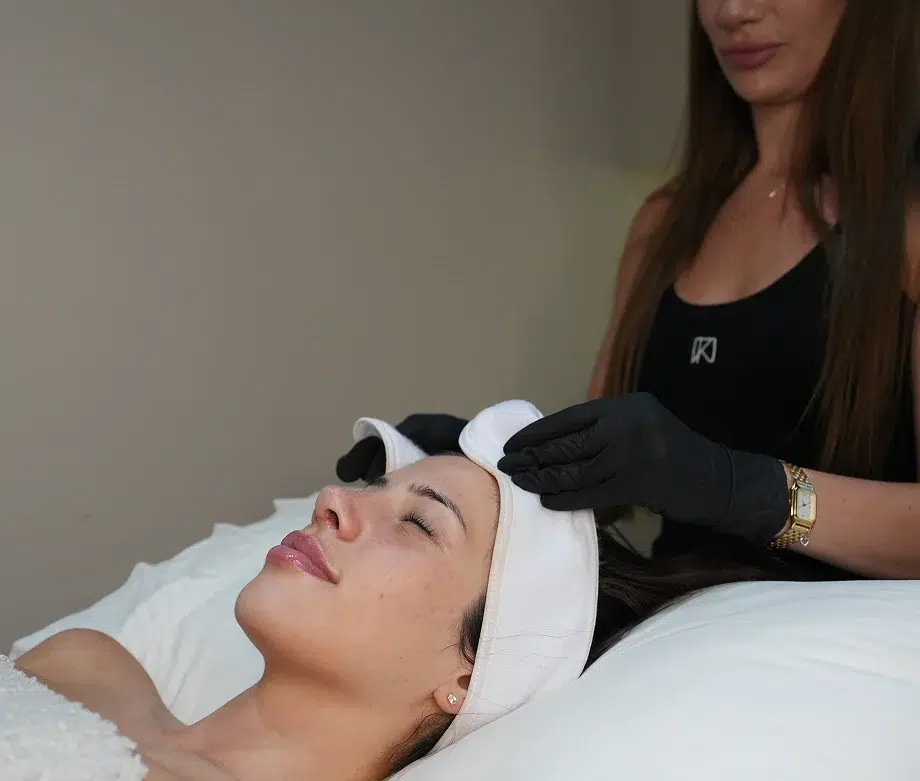
Aftercare has a large influence on microneedling recovery. Common instructions include:
- keeping the skin clean, using a gentle cleanser and clean hands
- avoiding make-up for about 24 hours, or as advised
- using only the products your practitioner recommends for the first few days, often a bland moisturiser
- pausing active ingredients such as retinoids, exfoliating acids and vitamin C until the skin settles
- avoiding heat and sweating, such as saunas, hot yoga and intense exercise, for 24 to 48 hours
- avoiding swimming pools and the ocean until the skin has healed
- sleeping on a clean pillowcase
- not picking or scrubbing flaking skin.
Sun protection during microneedling recovery
Freshly treated skin is more vulnerable to the sun, and sun exposure during microneedling recovery increases the risk of redness lasting longer and of darker patches forming. Protect the skin with shade, a broad-brimmed hat and, once your practitioner advises it is appropriate, a broad-spectrum SPF 50+ sunscreen.
The Cancer Council SunSmart program has practical guidance on daily sun protection, which remains important throughout a course of treatment.
Risks and side effects
All procedures carry risks. Possible side effects of microneedling include:
- redness, swelling, tenderness and dryness that last longer than expected
- pinpoint bleeding and bruising
- infection, particularly if aftercare is not followed
- reactivation of cold sores in people prone to them
- darker patches (post-inflammatory hyperpigmentation), more common in darker skin types
- reactions to products applied during or after treatment
- rarely, marks or scarring.
Contact the clinic promptly if you notice increasing pain, spreading redness, pus, fever, blisters or a rash during microneedling recovery. You can check a practitioner’s registration on the Ahpra public register.
Who may not be suitable
Microneedling may not be suitable, or may need to be postponed, if you:
- have active acne, a skin infection, cold sore or open wound in the area
- have a history of keloid or raised scarring
- are pregnant or breastfeeding
- have certain skin conditions in the treatment area, such as active eczema or psoriasis
- have recently used medicines that affect skin healing, including some acne medicines
- have a condition or take medicines that affect bleeding or the immune system.
Your practitioner will review your medical history before recommending treatment.
Planning around events and work
Because the first two or three days of microneedling recovery usually involve visible redness, many people schedule treatment for a Thursday or Friday, or before a quieter period. Allow at least a week, and preferably longer, before an important event, photos or a holiday.
Tell your practitioner about upcoming events so they can choose the depth and timing that suits your plans. A more conservative treatment may be recommended if you have limited time to recover.
How many sessions are usually needed
Microneedling is usually performed as a series of sessions spaced several weeks apart, which allows each round of microneedling recovery and remodelling to occur before the next. The number of sessions depends on your concerns, skin and goals. Your practitioner will give an estimate at your consultation, but responses vary between individuals.
Some people continue with occasional maintenance sessions. Others focus on skincare and sun protection once a course is complete.
Combining microneedling with other treatments
Microneedling is sometimes combined with other approaches as part of a broader plan, such as skincare, medical-grade peels or light-based treatments. Combinations need to be sequenced so the skin has time to recover between treatments, which can make overall microneedling recovery longer.
Products applied to the skin during or immediately after microneedling should be chosen by your practitioner, because the open channels allow more of a product to enter the skin and can increase the risk of irritation or reactions.
Skin type and microneedling recovery
People with medium to darker skin can be more prone to post-inflammatory hyperpigmentation after any procedure that causes inflammation. That does not mean microneedling is unsuitable, but settings, preparation and aftercare need care, and sun protection becomes even more important during microneedling recovery.
Sensitive or reactive skin may also take longer to settle. Let your practitioner know if your skin tends to react to products or procedures.
Preparing for treatment
Preparation can make microneedling recovery smoother. Your practitioner may ask you to:
- avoid sun exposure, sunbeds and fake tan for a period beforehand
- pause retinoids and exfoliating products for several days
- let them know about any history of cold sores, as preventive treatment may be discussed
- arrive with clean skin, free of make-up
- plan your diary so the first few days after treatment are relatively quiet.
Common misconceptions
A few misconceptions come up often:
- “More bleeding means better results.” Deeper is not automatically better. Depth is chosen to suit the skin and the concern.
- “At-home rollers are the same.” Home devices are not the same as in-clinic treatment and carry their own risks, particularly infection and irritation.
- “Recovery is the same for everyone.” Microneedling recovery varies with depth, area and skin type.
- “One session is enough.” Most plans involve a series of sessions.
When to contact the clinic
Some redness, dryness and flaking are expected. Contact the clinic if you notice:
- pain that is increasing rather than settling
- redness that is spreading or lasting much longer than you were told to expect
- yellow crusting, pus, blisters or fever
- a rash or itching that suggests a reaction to a product
- darker patches developing as the skin heals.
Early advice helps manage problems before they become more significant.
What affects how long recovery takes
Several factors influence microneedling recovery:
- Needle depth. Deeper treatment for scarring usually means more redness and a longer settling period than shallow treatment for general skin quality.
- Treatment area. Thinner skin, such as around the eyes and neck, can stay pink for longer.
- Skin type and sensitivity. Reactive skin may take longer to calm.
- Products used. Applying unsuitable products to freshly treated skin can prolong redness or cause irritation.
- Aftercare and sun exposure. Following instructions and avoiding sun support smoother healing.
- General health. Smoking, poor sleep and some health conditions can slow healing.
Make-up and skincare from day two
Once your practitioner says it is appropriate, usually after the first 24 hours, you can gradually reintroduce your routine. Start with a gentle cleanser, a simple moisturiser and sun protection. Mineral-based make-up applied with clean brushes is often preferred during microneedling recovery.
Reintroduce active ingredients, such as retinoids, exfoliating acids and vitamin C, slowly and only when the skin no longer feels tight, stinging or flaky. If a product stings, stop using it and let the skin settle.
Recovery on different areas
Microneedling is most often performed on the face, but it may also be discussed for the neck, chest, hands or areas of scarring on the body. Microneedling recovery can differ between these areas. The neck and chest can be more sensitive and may stay red for longer, while thicker skin on the body may tolerate deeper treatment.
Your practitioner will adjust depth and technique for each area and explain what recovery to expect.
Recovery after treatment for acne scarring
When microneedling is used for the appearance of acne scarring, deeper settings are often needed, which can mean more pinpoint bleeding, more swelling and a slightly longer microneedling recovery. Active acne in the area usually needs to be settled first, as treating over active breakouts can increase the risk of infection and inflammation.
Scarring tends to change gradually over a series of sessions, and some scars respond better than others. Your practitioner will discuss realistic expectations.
A sample recovery week
A typical plan for a straightforward treatment might look like this, although your own instructions take priority:
- Day 0 (treatment day): gentle cleanser and recommended moisturiser only, no make-up, no exercise, clean pillowcase.
- Day 1: continue gentle routine, protect from sun, avoid heat and sweating.
- Day 2: light make-up if advised, continue sun protection.
- Days 3 to 5: moisturise regularly as flaking appears; avoid scrubs and picking.
- Days 5 to 7: reintroduce actives slowly if the skin is comfortable.
If microneedling recovery is not following this kind of pattern, contact the clinic.
Supporting healing from the inside
General health habits can support microneedling recovery. Getting enough sleep, staying hydrated, eating a balanced diet and avoiding smoking all support normal skin healing. Alcohol can increase flushing and swelling in the first day or two, so some people choose to avoid it straight after treatment.
None of these replace your practitioner’s aftercare instructions, but they help the skin do its job.
Signs recovery is on track
Reassuring signs during microneedling recovery include redness that fades a little each day, tightness that eases with moisturiser, light flaking that resolves within about a week, and skin that feels comfortable by the end of the first week. Mild sensitivity to products can last a little longer.
If anything seems different from what you were told to expect, it is always reasonable to check with the clinic.
Travel and flying after treatment
Flying soon after microneedling is generally not a problem, but cabin air is dry, so moisturise regularly. Avoid travelling to a sunny destination straight after treatment, as sun exposure during microneedling recovery increases the risk of prolonged redness and pigment changes. Plan treatment so the skin has time to settle before a beach holiday.
Keeping a simple recovery diary
Some people find it helpful to take a quick photo each morning and note how their skin feels during microneedling recovery. This makes it easier to see that redness is settling, to share accurate information with the clinic if you have a concern, and to compare recovery across sessions. Use the same lighting each day so photos are comparable.
Questions to ask about microneedling recovery
Bringing questions to your consultation helps you plan:
- What depth would you use for my skin, and what does that mean for microneedling recovery?
- How long is redness likely to last, and when can I wear make-up?
- Which products should I use and avoid afterwards?
- Is my skin type at higher risk of pigment changes?
- How many sessions might I need, and how far apart?
- What signs should prompt me to contact the clinic?
- Who performs the treatment, and what training do they have?
Frequently asked questions
How long does microneedling recovery take?
Visible redness commonly settles within one to three days, with dryness or flaking for up to a week. Deeper treatment and some skin types can take longer.
Can I wear make-up during microneedling recovery?
Usually not for the first 24 hours, or as advised. Clean brushes and products suitable for sensitive skin are recommended once you resume.
When can I exercise after microneedling?
Many practitioners advise avoiding heavy sweating for 24 to 48 hours. Follow the advice you are given.
Is it normal for my skin to peel?
Light flaking is common in the first week. Avoid picking or scrubbing, and moisturise as advised.
Can I go in the sun during microneedling recovery?
It is best to avoid direct sun and protect the skin carefully, as treated skin is more prone to redness and pigment changes.
Why is my skin still pink after a week?
Some skin types and areas stay pink for longer, particularly after deeper treatment. Protect the skin from the sun and contact the clinic if you are concerned.
Can I microneedle at home between sessions?
This is not recommended. Home devices carry risks of infection and irritation and can interfere with healing between in-clinic sessions.
Booking microneedling
Consultations are available at our North Parramatta clinic and our Chatswood clinic. Your practitioner will assess your skin, explain what microneedling recovery is likely to involve for you, discuss the risks and outline a plan before any decision is made. There is no obligation to proceed.
Book a consultation or call (02) 8041 3293.
Results vary between individuals. All procedures carry risks. A consultation with a registered health practitioner is required to assess suitability. This article is general information and does not replace individual medical advice.