If you are weighing up microneedling, a clear view of the microneedling pros and cons helps you decide whether it suits your skin, your goals and your schedule. Like any procedure, it has potential benefits, real limitations and risks.
This guide sets out the microneedling pros and cons in plain terms, compares microneedling with other options, and lists the questions worth asking at a consultation. It is general information only. Responses vary between individuals, and a consultation with a registered health practitioner is required to assess suitability. If you are comparing several treatments, it can help to write down your main concern and timeframe before reading on, so you can judge each point against what matters most to you. A practitioner can then help you weigh the options for your own skin.
How microneedling works
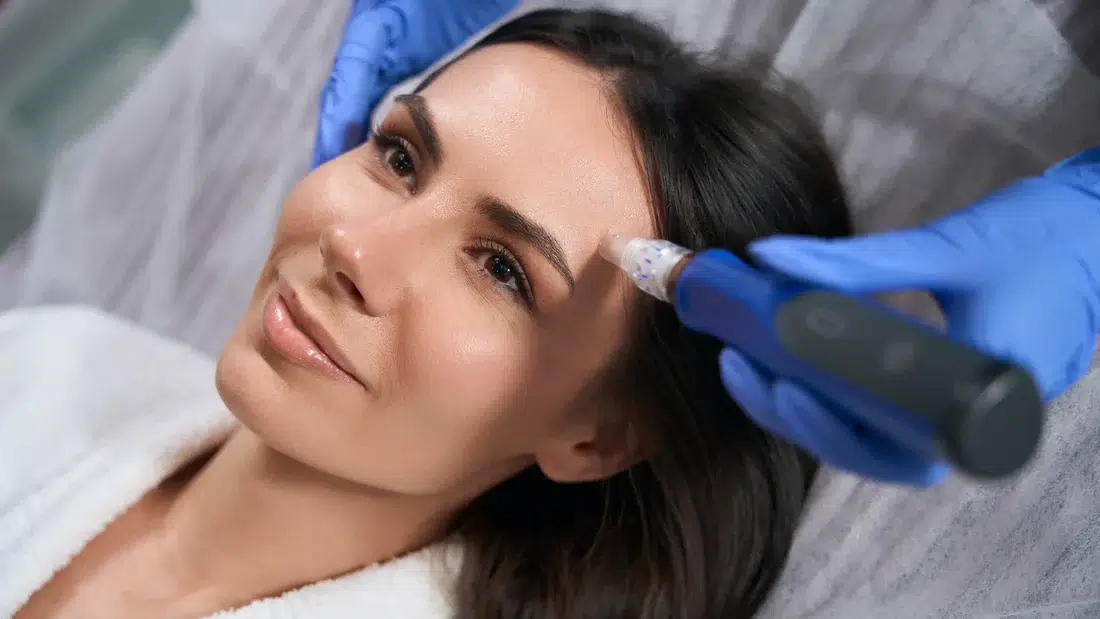
Microneedling creates many tiny, controlled channels in the skin using fine, sterile needles. This triggers the skin’s natural repair processes over the following weeks. In-clinic microneedling allows the practitioner to adjust needle depth and technique for different areas and concerns. Our microneedling page explains how treatment is carried out at our clinics.
Understanding the mechanism helps explain the microneedling pros and cons: the same controlled injury that prompts repair also causes redness, a recovery period and some risk.
The potential pros
The potential advantages people commonly weigh include:
- Suitable for a range of skin types. Because microneedling does not rely on heat or light to target pigment, it is often considered for a wider range of skin types than some energy-based treatments, with appropriate care.
- Relatively short downtime. Redness commonly settles within a few days, depending on depth.
- Versatile. It is discussed for skin texture, the appearance of some acne scarring and general skin quality.
- Adjustable. Depth and intensity can be tailored to the area and the concern.
- Can be combined. It may form part of a plan alongside skincare or other treatments.
These potential benefits vary between individuals, and changes, if any, develop gradually over a series of sessions.

The cons and limitations
The other side of the microneedling pros and cons includes:
- Multiple sessions. Most plans involve a series of treatments spaced weeks apart.
- Gradual change. Any improvement develops over weeks to months, not immediately.
- Recovery period. Redness, dryness and flaking are common for several days.
- Not suited to every concern. Deep scarring, significant skin laxity or some types of pigmentation may need other approaches.
- Discomfort. Topical numbing may be used, but some people find treatment uncomfortable.
- Results vary. Responses differ between people, and no outcome can be guaranteed.
Risks to consider
All procedures carry risks. Possible side effects of microneedling include:
- prolonged redness, swelling or dryness
- pinpoint bleeding and bruising
- infection
- reactivation of cold sores
- darker patches, particularly in darker skin types
- reactions to products applied to freshly treated skin
- rarely, marks or scarring.
Risks are an important part of the microneedling pros and cons. Ask your practitioner how they would reduce these risks for your skin. You can check a practitioner’s registration on the Ahpra public register.
Microneedling compared with other options
Comparing options can help put the microneedling pros and cons in context:
| Option | Often discussed for | Typical downtime | Key considerations |
|---|---|---|---|
| Microneedling | Texture, some acne scarring, skin quality | A few days of redness | Series needed; gradual change |
| Chemical peels | Uneven tone, texture, some pigmentation | A few days to a week of flaking | Depth must suit skin type |
| Fractional laser | Texture, tone, sun damage | A few days to a week | Settings must match skin type |
| IPL | Sun spots, redness | Spots darken and flake | Often unsuitable for darker or tanned skin |
| Skincare | Maintenance and mild concerns | None to mild irritation | Gradual; daily commitment |
Our guides to chemical peels and pigmentation treatment in Sydney cover some of these alternatives in more detail.
In-clinic versus at-home devices
Home rollers and pens are widely sold, but they are not the same as in-clinic microneedling. They are typically shallower, harder to keep sterile and used without an assessment of the skin. The risk of infection, irritation and uneven treatment is a real con of home use.
In-clinic treatment involves an assessment, sterile single-use needles and a practitioner who can adjust depth and technique and manage any reaction. If you have used a home device before, mention it at your consultation, including any reactions you noticed afterwards.
Who may be a good candidate
Microneedling may be worth discussing if you are concerned about skin texture, the appearance of some acne scarring or general skin quality, have realistic expectations about gradual change, and can commit to a series of sessions, aftercare and sun protection.
It may not be suitable if you have active acne or infection in the area, a history of keloid scarring, are pregnant or breastfeeding, or have recently used some medicines that affect healing. Weighing the microneedling pros and cons for your own situation is part of a consultation.
Recovery and aftercare
Recovery is one of the most practical microneedling pros and cons to consider. Redness and mild swelling commonly settle within one to three days, with dryness or flaking for up to a week. Aftercare usually includes gentle cleansing, a simple moisturiser, avoiding make-up for about 24 hours, avoiding heat and sweating for a day or two, and careful sun protection.
Our guide to microneedling recovery covers the day-by-day process in detail.
Cost and time commitment
Because microneedling usually involves a series of sessions, it helps to consider the total cost and the time involved, including recovery after each session. Ask your practitioner how many sessions they expect for your skin, how often maintenance may be suggested and what the expected total cost might be.
Thinking about time and cost alongside the other microneedling pros and cons gives a more realistic picture before you decide.
Skin type considerations
Microneedling is often considered for a broad range of skin types, but people with medium to darker skin can be more prone to post-inflammatory hyperpigmentation after inflammation. Careful technique, preparation, aftercare and sun protection reduce this risk.
People with sensitive or reactive skin may need a gentler approach and may take longer to settle. Mention any history of reactions at your consultation.
How to decide
A balanced decision usually involves understanding your main concern, what is realistic for your skin, the alternatives, the risks and the commitment involved. A good consultation should leave you able to weigh the microneedling pros and cons yourself, including the option of not proceeding or trying a different approach first.
Take time to decide, and ask for written aftercare and pricing information to review at home.
Pros and cons for acne scarring
For the appearance of acne scarring, the microneedling pros and cons look slightly different. On the positive side, microneedling is often discussed for some rolling and shallow boxcar scars, and it can be considered for a range of skin types. On the other side, deeper settings mean more recovery, several sessions are usually needed, and deep or ice-pick scars may need other approaches or a combination plan.
Active acne should be under control before scar treatment begins. Our guide to acne care covers active breakouts and scarring.
Pros and cons for texture and pores
Many people consider microneedling for uneven texture or the look of enlarged pores. Potential pros include a gradual improvement in how smooth the skin looks and feels for some people, with relatively short downtime. Cons include the need for a series of sessions, the fact that pore size is strongly influenced by genetics and oil production, and that changes may be modest.
Consistent skincare and sun protection usually remain important alongside treatment.
Pros and cons for fine lines
Microneedling is sometimes discussed for fine lines and general skin quality. A potential pro is that it may support a smoother-looking surface over time without using heat. A con is that it is not designed for deeper lines or for lines caused mainly by muscle movement, which usually need a different approach after assessment.
Discuss which lines concern you most, so your practitioner can explain whether microneedling is a reasonable option.
What microneedling cannot do
Being clear about limitations is part of weighing the microneedling pros and cons. Microneedling does not lift sagging skin, replace lost volume or remove deep scars entirely. It is not a first choice for some types of pigmentation, and it does not prevent future changes from ageing or sun exposure.
If your main concern falls into one of these categories, ask about alternatives at your consultation.
Comfort and numbing
Comfort is a practical consideration. Topical numbing cream is commonly applied before treatment, and many people describe the sensation as scratching or vibrating. Bonier areas, such as the forehead and jawline, can feel more intense. Most people find treatment manageable, but if discomfort is a concern, discuss it before booking.
Maintenance after a course
After an initial series, some people return for occasional maintenance sessions, while others focus on skincare and sun protection. Skin continues to age and respond to the environment, so changes from any treatment are not permanent. Factoring maintenance into your decision gives a fuller view of the microneedling pros and cons over time.
Combining with skincare
A consistent skincare routine supports the skin between sessions. Your practitioner may recommend gentle cleansing, moisturising and daily sun protection, and suggest when to reintroduce active ingredients. Products applied immediately after treatment should be chosen by your practitioner, because freshly treated skin absorbs products more readily and can react.
Who performs microneedling
In-clinic microneedling should be performed by a trained practitioner who can assess your skin, choose appropriate settings and manage any reaction. Ask who will perform your treatment, what training they have, and whether a doctor is available to review concerns. The experience of the practitioner is an important part of the microneedling pros and cons in practice.
Microneedling on the neck and chest
Microneedling may be discussed for skin quality on the neck and chest as well as the face. Pros include addressing texture in areas that show sun exposure and ageing. Cons include thinner, more sensitive skin that may stay red for longer and needs gentler settings. Sun protection is especially important on these areas, which are often exposed.
Preparing for treatment
Preparation helps treatment go smoothly. Your practitioner may ask you to avoid sun exposure and fake tan beforehand, pause retinoids and exfoliating products for several days, mention any history of cold sores, and arrive with clean skin. Planning a few quieter days after treatment makes recovery easier to manage.
Signs microneedling may not be right for you
Microneedling may not be the best fit if you want immediate results, cannot commit to several sessions, have a concern that is better addressed by another treatment, or cannot avoid significant sun exposure in the weeks after treatment. Weighing these points honestly is part of balancing the microneedling pros and cons for your situation.
A quick summary of the microneedling pros and cons
To summarise the microneedling pros and cons in one place:
- Pros: versatile for texture, some acne scarring and skin quality; often considered for a range of skin types; adjustable depth; relatively short downtime; can be combined with other treatments.
- Cons: several sessions usually needed; gradual and variable change; a recovery period with redness and flaking; some risk of infection, cold sores and pigment changes; not suited to every concern.
Your own balance of microneedling pros and cons depends on your skin, your main concern, your timeline and your budget, which is why an individual consultation matters. Bring this summary along if it helps you structure your questions.
Questions to ask about microneedling pros and cons
These questions can help you compare:
- Is microneedling suitable for my main concern, or is another option better?
- What changes are realistic for my skin, and over what timeframe?
- How many sessions might I need, and how far apart?
- What depth would you use, and what recovery should I expect?
- What are the risks for my skin type?
- Which products will be used during and after treatment?
- What is the expected total cost?
- Who performs the treatment, and what training do they have?
Frequently asked questions
What are the main microneedling pros and cons?
Potential pros include versatility, suitability for a range of skin types and relatively short downtime. Cons include the need for several sessions, gradual change, a recovery period and some risk.
Does microneedling hurt?
Topical numbing is often used. Many people describe a scratching or vibrating sensation, and comfort varies by area.
Is microneedling safe for darker skin?
It is often considered for darker skin with appropriate care, but the risk of pigment changes needs to be discussed.
How soon will I see a difference?
Any changes develop gradually over weeks and after a series of sessions. Responses vary.
Is microneedling better than a chemical peel?
Neither is better in every situation. They work differently and suit different concerns and skin types. Comparing the microneedling pros and cons with those of a peel at a consultation can help you choose.
How long between sessions?
Sessions are commonly spaced several weeks apart to allow the skin to recover and remodel. Your practitioner will advise the interval.
Can I have microneedling in summer?
It is often possible with careful sun protection, but discuss timing if you expect significant sun exposure.
Booking a consultation
Consultations are available at our North Parramatta clinic and our Chatswood clinic. Your practitioner will assess your skin, talk through the microneedling pros and cons for your situation, explain the risks and discuss alternatives before any decision is made. There is no obligation to proceed. If you have had microneedling or other skin treatments before, bring details of what was done and how your skin responded, as this helps your practitioner plan a suitable approach.
Book a consultation or call (02) 8041 3293.
Results vary between individuals. All procedures carry risks. A consultation with a registered health practitioner is required to assess suitability. This article is general information and does not replace individual medical advice.