
FLAWLESS AESTHETICS · CONCERNS
Skin changes
over time.
Explore changes in skin texture, dryness, fine lines or firmness with personalised care in Parramatta or Chatswood. Your practitioner will assess your concerns and explain suitable options, their limits and risks, without pressure to proceed.
A consultation does not commit you to a procedure.
Understanding
skin ageing.
Overview
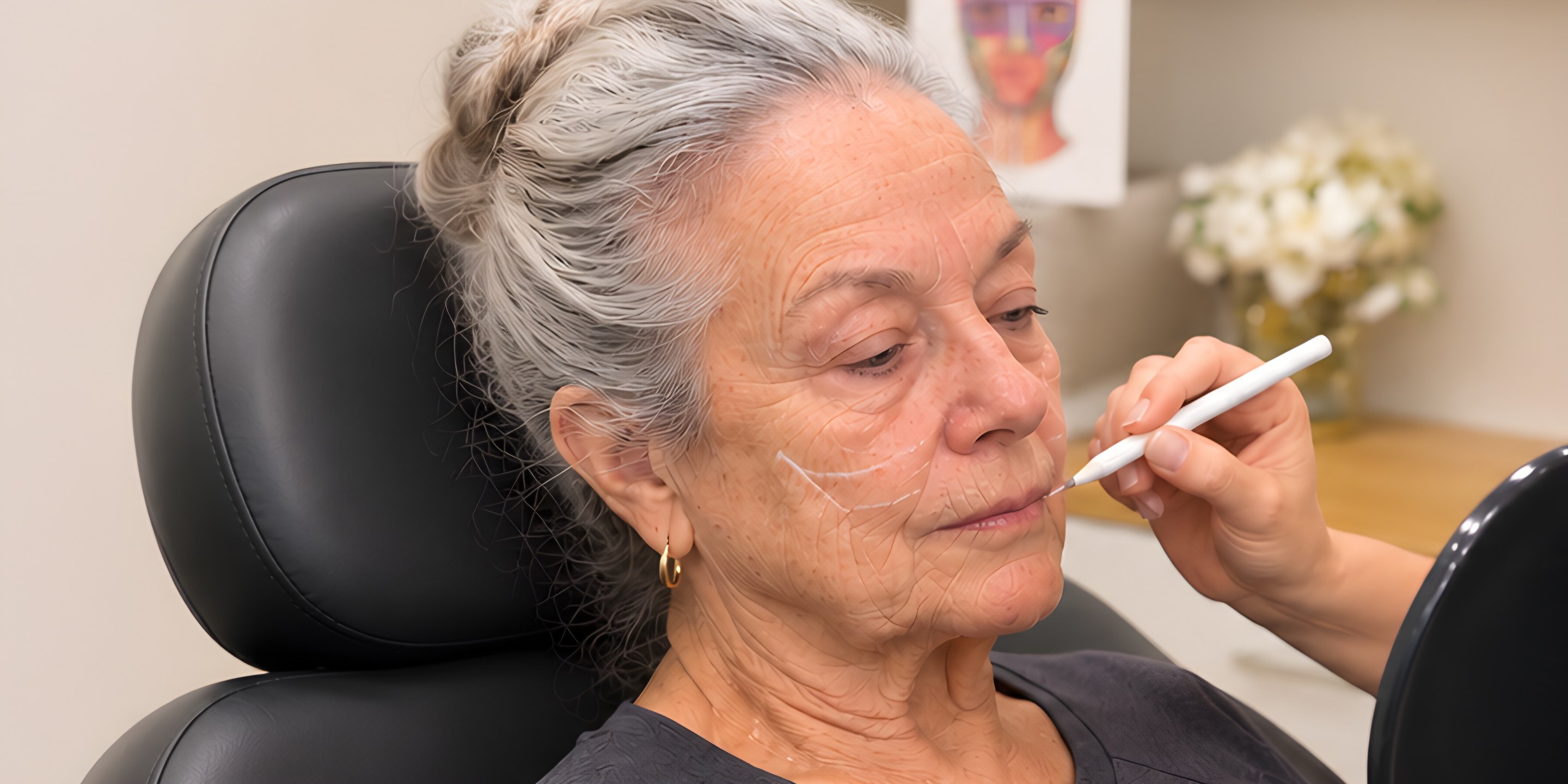
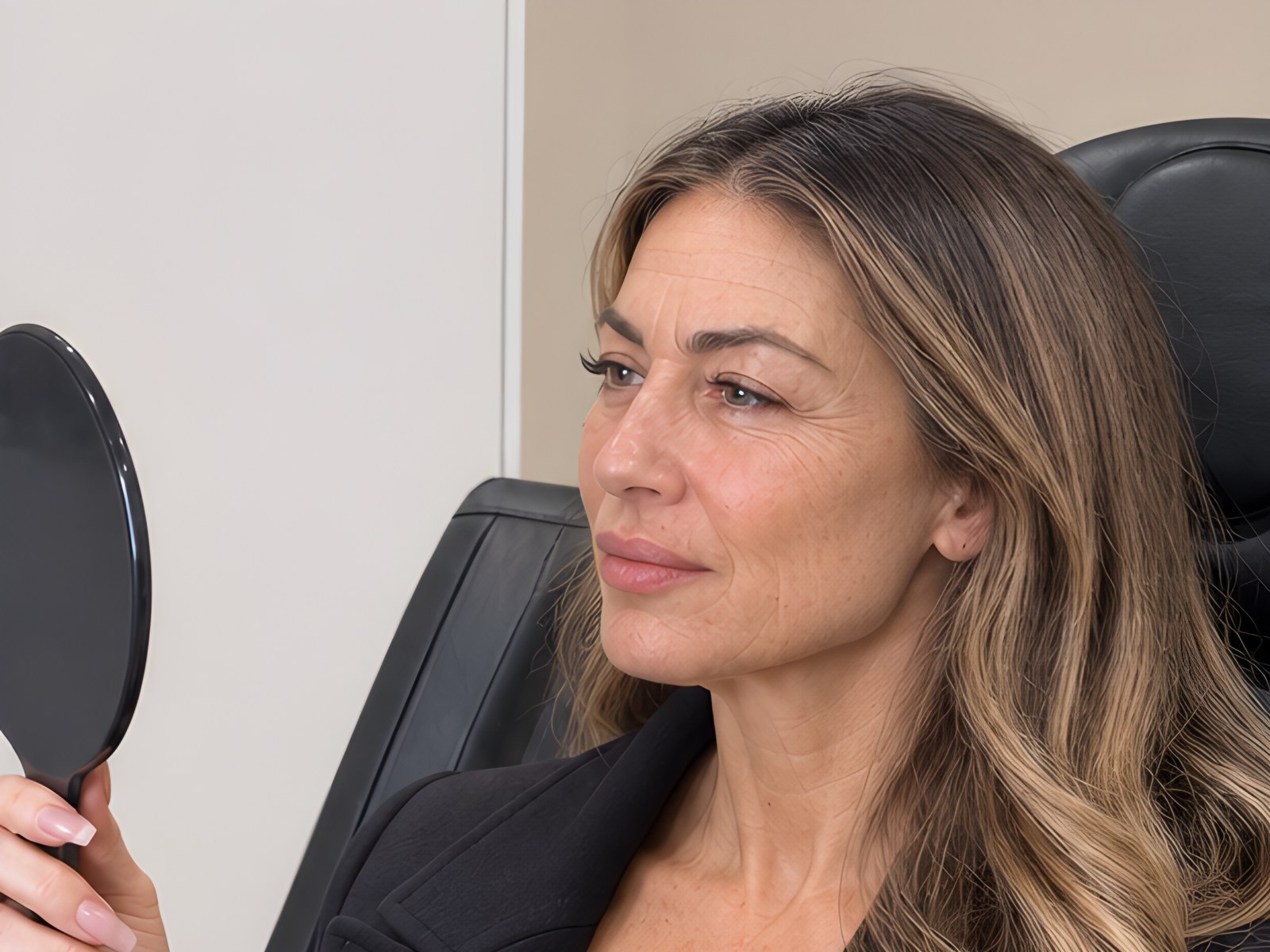
Skin changes with age are normal. You may notice dryness, fine lines or changes in texture and firmness; sun exposure can also contribute to visible changes.
A consultation helps you separate the concerns you want addressed and understand which options, if any, are appropriate. Treatment is a personal choice.
Suitability
Your practitioner will assess skin condition, sensitivity, medical history and previous procedures. Discuss current skincare, sun exposure, grooming habits and the changes that matter to you.
Different concerns may require different approaches. No procedure can prevent all future ageing or guarantee a particular result.
Preparation
Bring a list of medicines, allergies, skincare products and previous procedures. Ask whether to arrive without makeup and whether any preparation is needed for the proposed option.
Only adjust active products when advised, and do not stop prescribed treatment without guidance from your treating practitioner.
What to expect
Ask about the evidence, possible benefits, risks, limitations, costs and recovery for each option. Clarify whether the aim is texture, hydration, lines or firmness, and what changes would be considered realistic.
Results and timelines vary. Alternatives include skincare changes, medical assessment where needed, or choosing no procedure.
EXPLORE BY CONCERN
Services to discuss for skin changes over time.
View prices & consultation fees
Your treatment
journey.
Time for your questions.
Space to decide.
01Plan your consultation
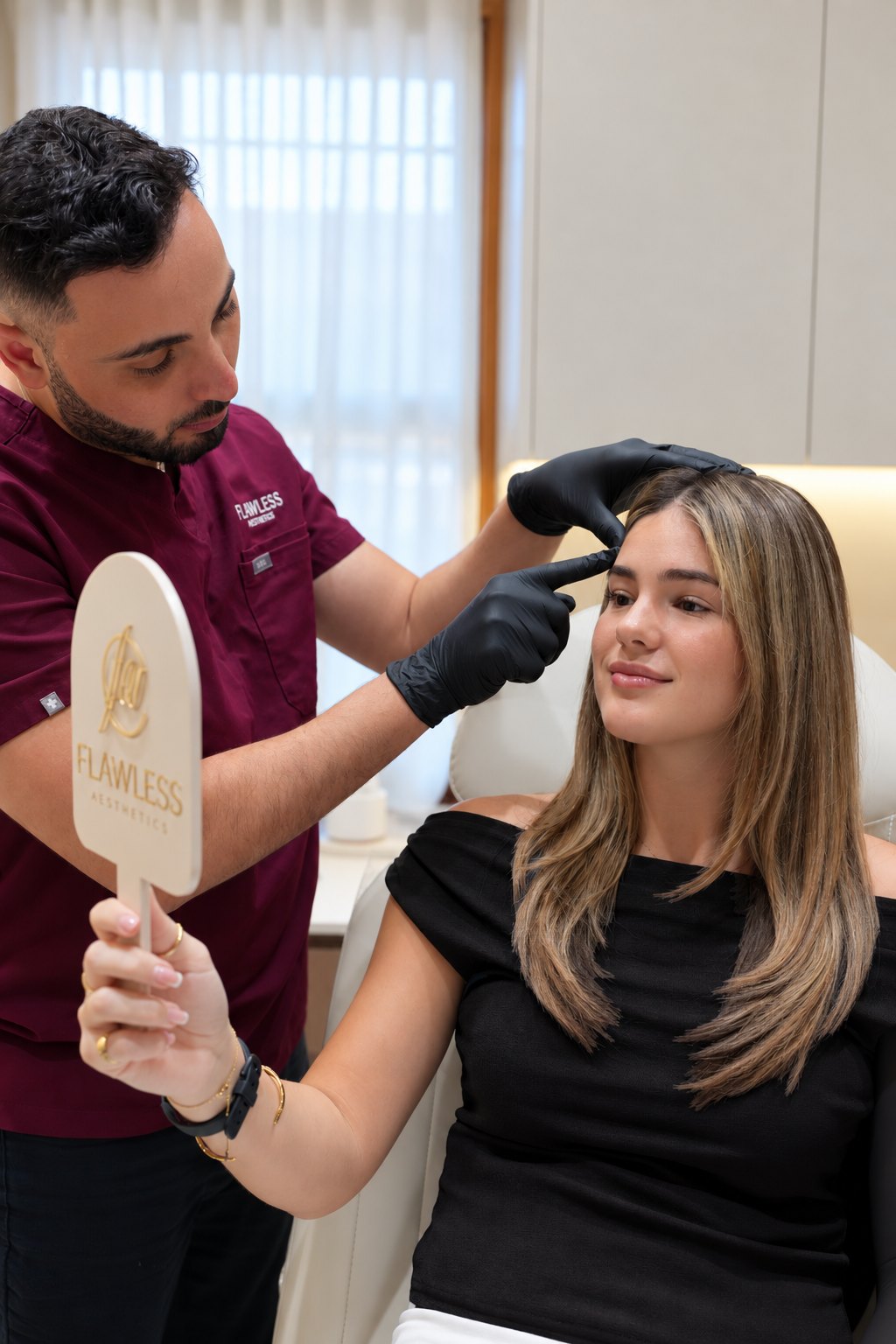
Your practitioner begins by assessing your skin, discussing areas of concern, and identifying contributing lifestyle or environmental factors. You will receive personalised guidance on suitable cosmetic options and an explanation of how age-related changes typically develop.
02Discuss suitable options
Discuss possible options, benefits, risks, limitations, costs and recovery with your practitioner.
03Decide your next steps
Take time to consider your options and ask any further questions. You can choose not to proceed. Any treatment decision follows assessment and informed consent.
04Your treatment
If you proceed with non-invasive options, your practitioner will use evidence-informed techniques to support comfort, clarity, and clinical safety. You will be guided through each step, with time to ask questions and understand your plan.
05Aftercare & support
Following your appointment, you will receive practical aftercare steps and suggestions for maintaining hydration and texture at home. Review appointments may be recommended where clinically appropriate.
Your questions.
What factors contribute most to visible signs of ageing?
Genetics, sun exposure, lifestyle habits, and natural changes in collagen and elastin influence ageing. Each person experiences ageing differently, which is why a detailed consultation helps identify the most relevant contributing factors.
Do normal age-related skin changes need treatment?
No. Changes in skin appearance are a normal part of ageing and do not, by themselves, require cosmetic treatment. You can discuss a concern without committing to a procedure.
Can my everyday routine affect ageing?
Yes. Habits such as sun protection, hydration, sleep, and the use of appropriate skincare products can influence the pace of visible ageing. Your practitioner may suggest adjustments during your consultation.
Why is an individual assessment important?
People differ in skin characteristics, medical history, sun exposure and priorities. An assessment should consider your circumstances rather than assume that your age or gender determines a treatment plan.
Will I receive a customised plan on the day of my consultation?
Yes. After assessing your skin, your practitioner will outline a personalised cosmetic plan that aligns with your goals and suitability. This may include recommendations for in-clinic and at-home options.
Which areas of the face are commonly treated for anti-ageing concerns?
Common focus areas include the forehead, eyes, mouth, jawline, and neck. Your practitioner will prioritise areas based on your assessment and preferences.
Are anti-ageing procedures uncomfortable?
Discomfort varies with the procedure and the individual. Ask what sensations or pain to expect, what comfort measures are available and how concerns would be managed during the appointment.
Do results develop gradually?
The timing and extent of any change depend on the proposed option. Improvement cannot be assumed or guaranteed. Ask when an outcome can be assessed and what the option is unlikely to change.
Can skincare stop the ageing process?
No skincare routine or cosmetic procedure stops ageing. Discuss what everyday care or a proposed procedure can realistically achieve and its limitations, rather than expecting permanent changes.
Do results vary by age?
Yes. Younger clients may respond differently from mature clients due to differences in collagen behaviour and overall skin health. Your practitioner will explain what is appropriate for your age group.
Are anti-ageing treatments safe?
Cosmetic procedures involve risks. Your health, skin and the proposed technique affect suitability. Ask about possible complications, recovery, alternatives and the option of no procedure before deciding.
Can treatments irritate my skin?
Irritation is possible, and other risks depend on the specific procedure. Discuss previous reactions and obtain instructions on what to do if symptoms arise or worsen; do not assume all redness or sensitivity is harmless.
How do you ensure treatment safety?
Your practitioner will assess your suitability, discuss potential risks and alternatives, and explain relevant aftercare before you decide whether to proceed.
Do I need to prepare my skin before an anti-ageing consultation?
It is helpful to arrive with a clean face and avoid applying heavy products or makeup beforehand. This allows the practitioner to assess skin texture, hydration, and overall skin quality during the consultation.
Should I stop using certain skincare products before my appointment?
Exfoliants, strong active products, or potential irritants may need to be paused before some cosmetic procedures. Your practitioner will advise which products to avoid based on the approach discussed.
When can I return to my usual skincare routine?
Many individuals can gradually resume their regular skincare routine once the skin has settled. Strong active products, such as retinoids or acids, may need to be reintroduced slowly. Your practitioner will outline an appropriate timeframe.
Can I exercise after a cosmetic procedure discussed during my consultation?
Activity restrictions depend on the procedure and your recovery. Explain your usual exercise routine and ask for written guidance about when to resume it before you proceed.
Need help?
Book online, call, email or use the enquiry form below.
Parramatta & Chatswood
(02) 8041 3293
Choose how to get in touch.
Or send our team an enquiry using the form below.
General information only. An individual clinical assessment and informed consent are required before any procedure. Risks, recovery and outcomes vary. Services are intended for adults aged 18 and over. Read our consultation and safety information.