
FLAWLESS AESTHETICS · SKIN
PRP for
skin & scalp.
Discuss platelet-rich plasma (PRP) at our Parramatta or Chatswood clinic. Your practitioner will review your concerns and medical history, explain the proposed procedure, and discuss suitability, risks, limitations and alternatives before you decide whether to proceed.
A consultation does not commit you to a procedure.
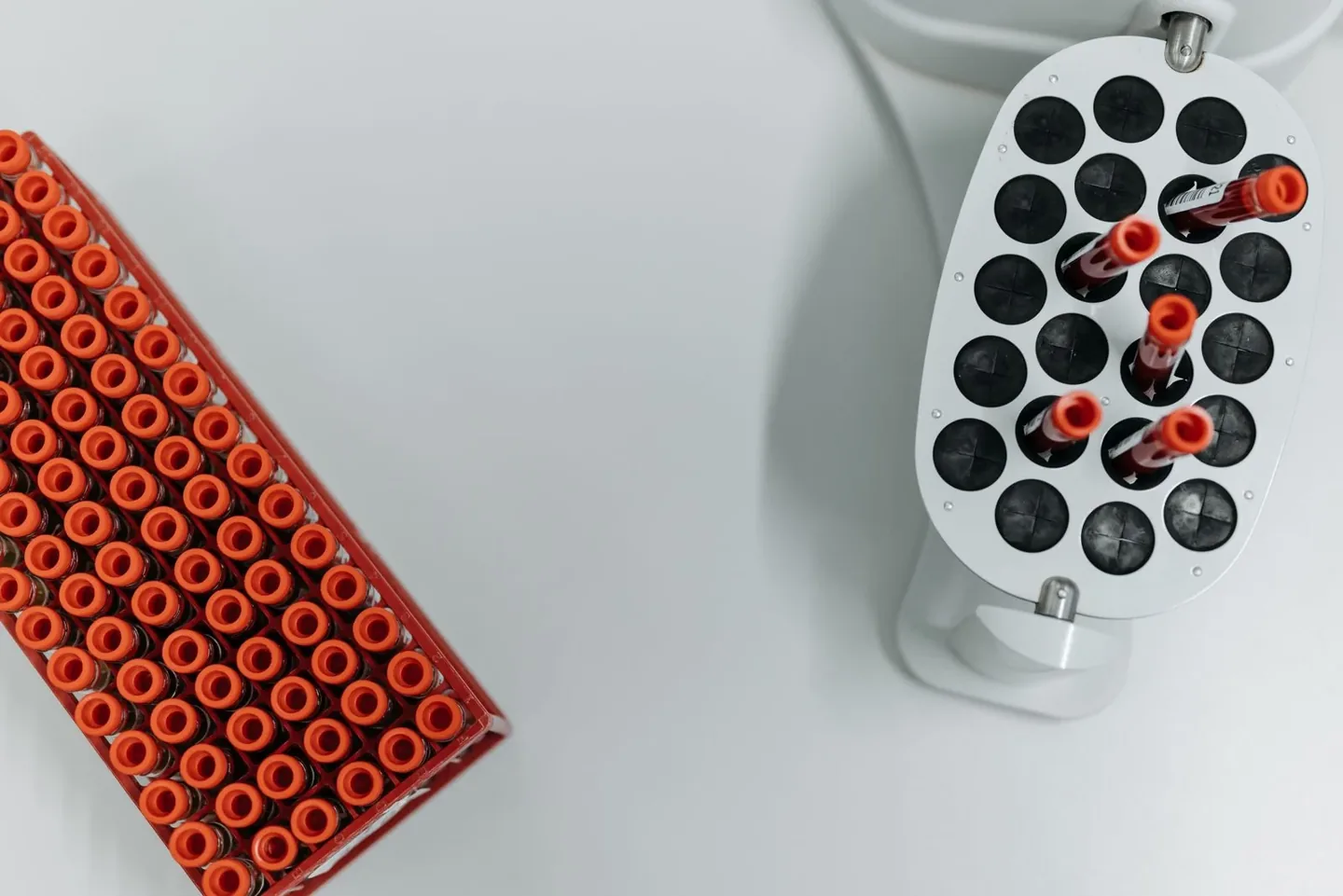 Illustrative laboratory photograph · equipment and protocols may differ
Understanding
prp skin & scalp.
Overview
PRP is prepared by processing a sample of your blood to concentrate platelets in plasma. Your practitioner will explain the proposed preparation and procedure, what evidence supports it for your concern, and alternatives.
Suitability
Your practitioner will review your concerns, skin, medical history, medicines, allergies and previous procedures. The assessment may lead to a treatment discussion, further assessment, a referral or no procedure.
Preparation
Bring your medical and treatment history and the questions you want answered. Ask the clinic whether to arrive with clean skin and whether any other preparation is needed. Do not stop prescribed medicines without advice from your treating practitioner.
What to expect
Discuss the evidence, possible benefits, common and serious risks, limitations, costs and recovery before deciding. Results and timelines vary. Ask whether additional sessions may be needed and consider alternatives, including no procedure.
View prices & consultation fees
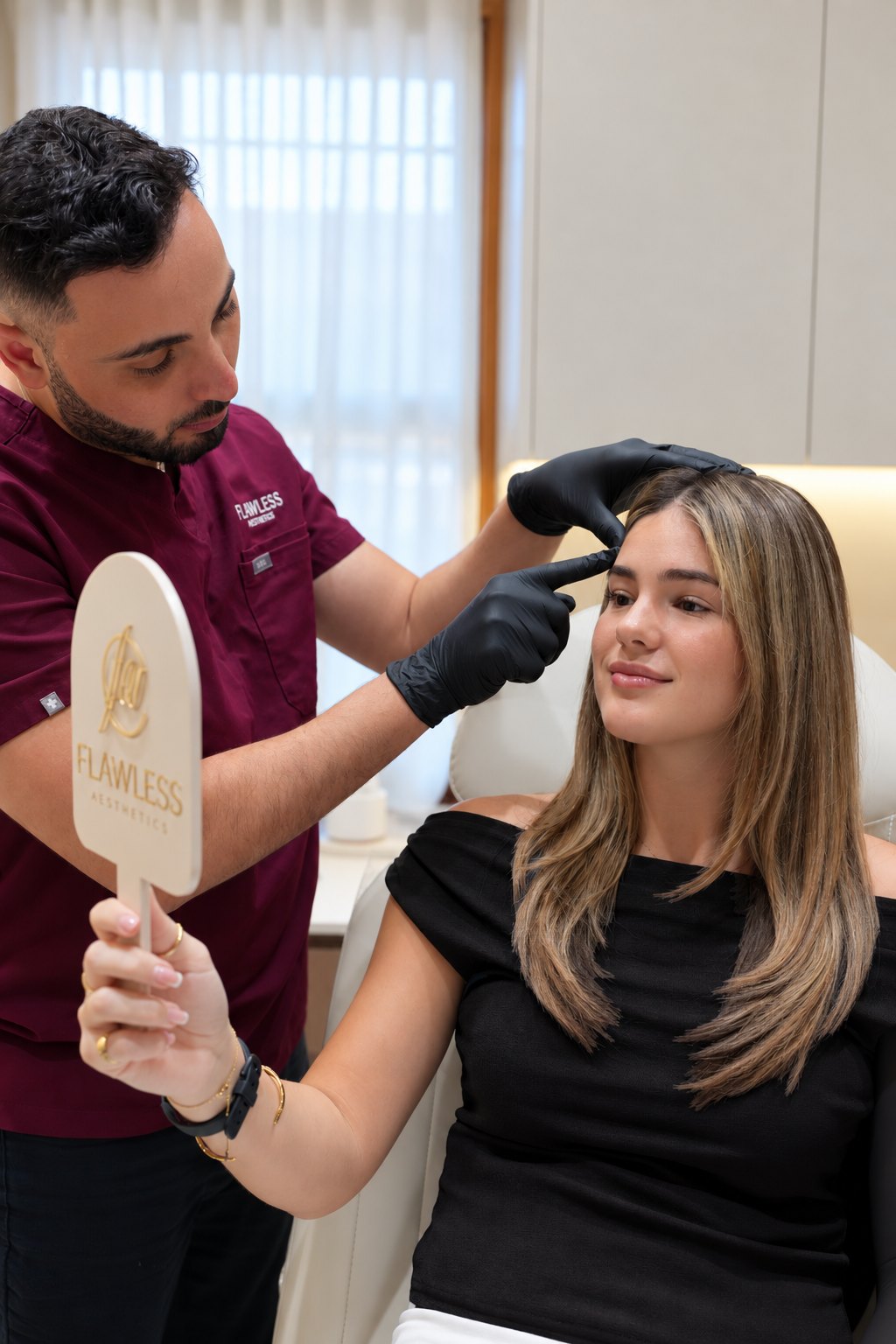
Your treatment
journey.
Time for your questions.
Space to decide.
01Plan your consultation
Bring your questions, medicines and supplements list, allergies, relevant health history and details of previous or planned procedures. Your practitioner will assess your concerns.
02Discuss suitable options
Your practitioner will explain the proposed procedure, potential benefits, risks, limitations, costs and alternatives. A consultation does not commit you to treatment.
03Decide your next steps
Following your consultation, you will receive tailored guidance on next steps, preparation, and aftercare. Your practitioner will ensure you understand your options before deciding how you would like to proceed.
04Your treatment
If treatment is suitable and you choose to proceed, your practitioner will explain the agreed procedure, its risks and what to expect before it begins.
05Aftercare & support
Follow the personalised instructions provided by your practitioner. Ask about expected recovery, warning signs, follow-up and who to contact if you have concerns, including outside clinic hours.
Your questions.
What is PRP?
PRP stands for platelet-rich plasma. This consultation explores plasma-based cosmetic approaches that use a person’s own blood components, discussed only after individual assessment.
Who is PRP suitable for?
Suitability varies widely. Your practitioner will assess your health, skin characteristics, and goals to determine whether PRP is appropriate for you.
Can I choose PRP without a consultation?
A consultation is required to assess suitability and discuss potential benefits, limitations, risks and alternatives before you decide whether to proceed.
Is PRP the same as other regenerative cosmetic options?
No. PRP is prepared from your own blood components, while other regenerative approaches may use different materials or preparation methods. Your practitioner can explain the differences during your consultation so you understand which, if any, may be appropriate for your needs.
What happens during a PRP session?
If PRP is suitable and you decide to proceed, the process generally involves collecting a blood sample, processing it, and applying the plasma to the treated area.
How long does a session take?
Timing varies, but your practitioner will provide details during your consultation.
Is PRP painful?
Discomfort varies between people and depends on the procedure. Discuss what the procedure involves and available comfort measures with your practitioner.
When will I notice changes?
Responses vary significantly between individuals. Your practitioner will help you understand what to expect based on your assessment.
Can PRP be combined with other cosmetic services?
Potential combinations may be discussed if clinically appropriate.
How long do the effects of PRP typically last?
The duration varies significantly from person to person. Your practitioner can discuss typical timelines seen in practice, but these are general observations rather than guaranteed outcomes.
Is PRP safe for everyone?
PRP is not suitable for everyone. Your practitioner will assess medical history, medications, and contraindications.
Does using my own blood remove procedural risks?
No. Using your own blood does not remove risks associated with blood collection, preparation or administration. Ask your practitioner about the risks relevant to the proposed procedure, how they are managed, and what to do if you have concerns.
Is PRP safe during pregnancy or breastfeeding?
Cosmetic PRP procedures are generally not recommended during pregnancy or breastfeeding. Your practitioner will guide you based on current clinical guidelines.
How should I prepare for PRP?
Ask the clinic for preparation instructions for your planned procedure. Bring your medical history and medication list, and do not change prescribed medicines without medical advice.
Should I stop any medications before PRP?
Never stop any medication without medical advice. Your practitioner will review your medication list to determine whether any medications may affect your suitability for PRP.
When can I resume regular activities?
Recovery and activity restrictions depend on the procedure and your individual response. Ask your practitioner about recovery time and follow the aftercare instructions provided.

Need help?
Book online, call, email or use the enquiry form below.
Parramatta & Chatswood
(02) 8041 3293
Choose how to get in touch.
Or send our team an enquiry using the form below.
General information only. An individual clinical assessment and informed consent are required before any procedure. Risks, recovery and outcomes vary. Services are intended for adults aged 18 and over. Read our consultation and safety information.